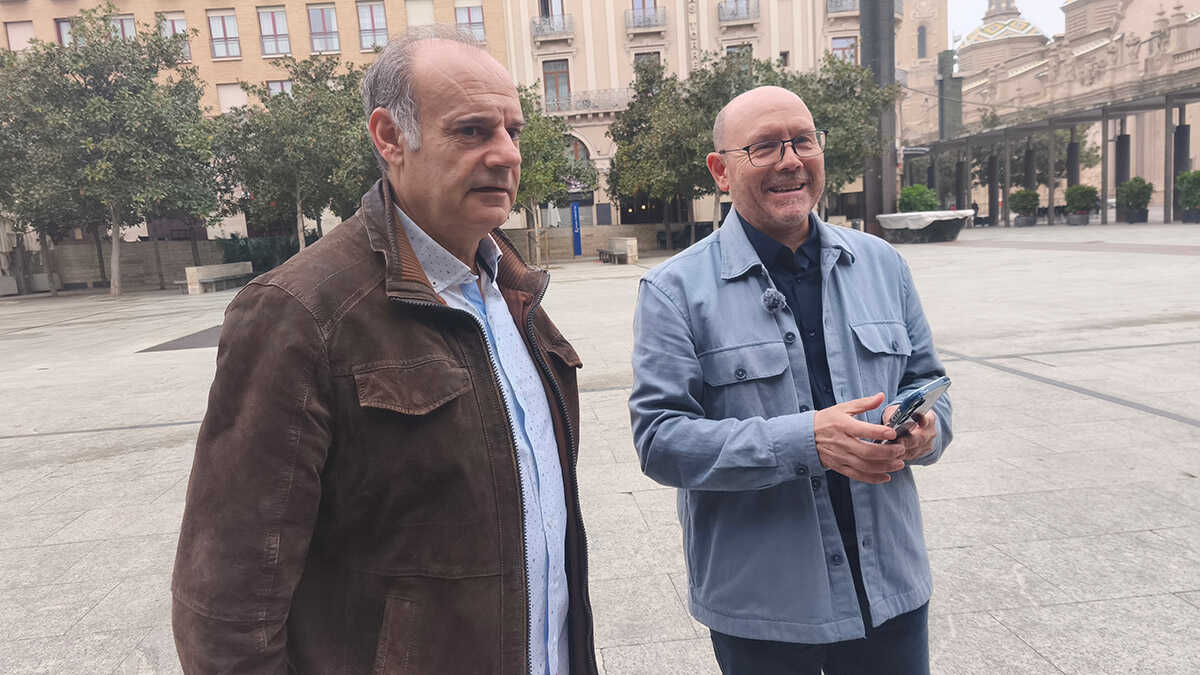
UGT Aragón Secretary-General José Juan Arceiz said an attempt had been made to reach an agreement on a joint rally, but denounced that they had to “accept all the conditions” set by the other unions. According to Arceiz, they proposed a joint banner featuring all the organizations involved, while they were offered the possibility of having the two largest unions relegated to the final part of the rally: “As organizers of the strike, that is simply not appropriate.”
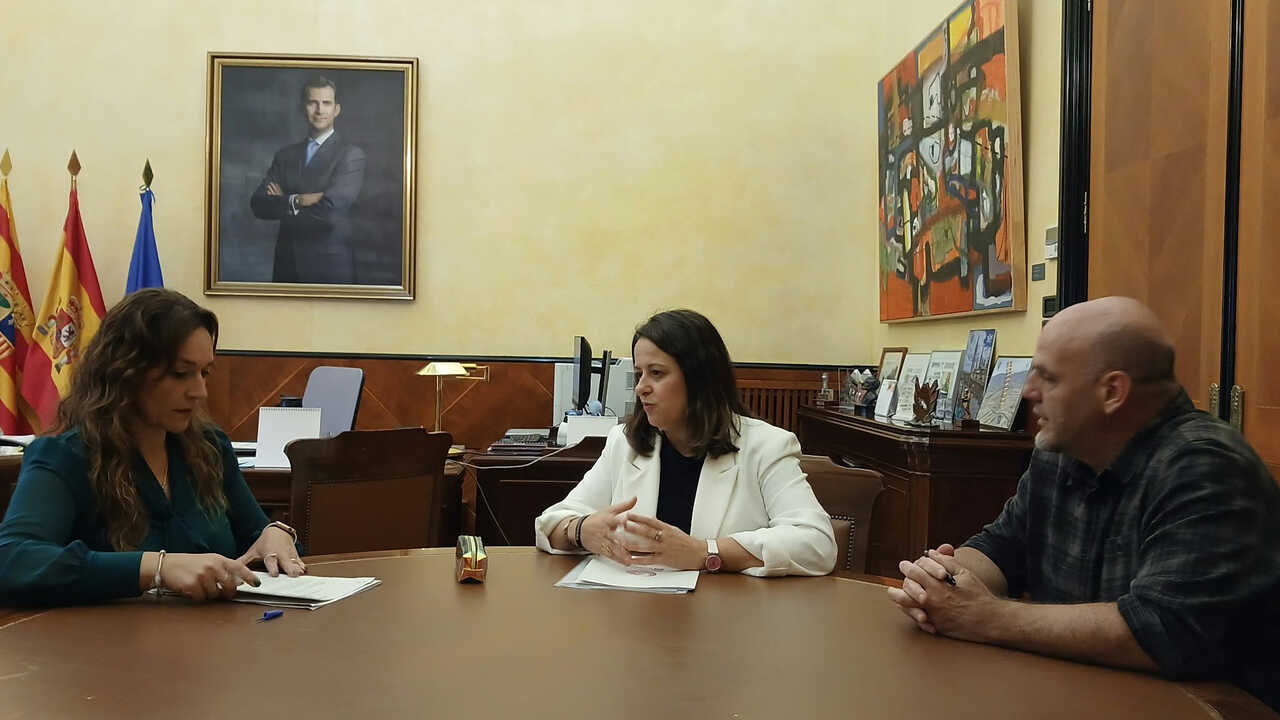
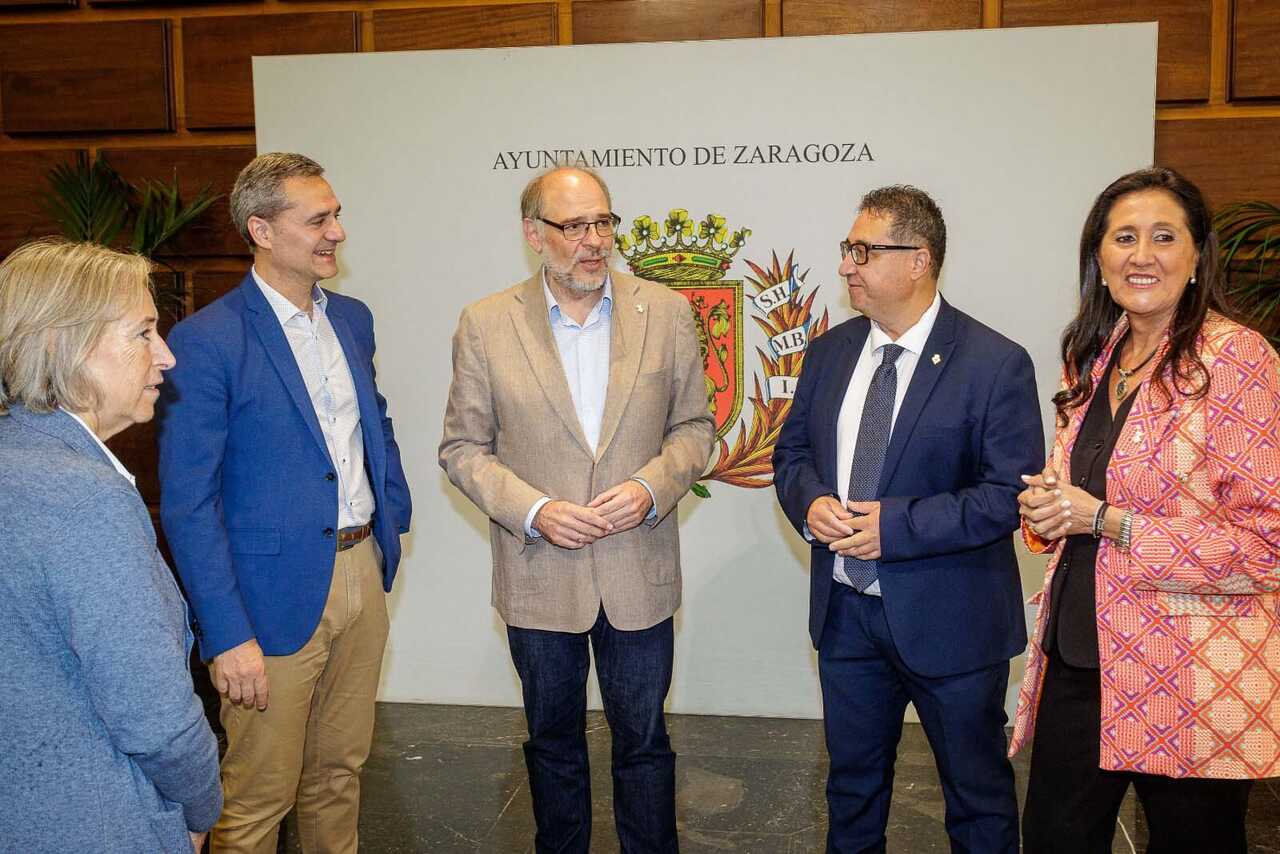
These statements came before both unions began their round of meetings on Tuesday. First, they met with the new government delegate in Aragón, Noelia Herrero. They will then meet with spokespersons for the opposition parties in the regional parliament: PSOE, CHA, Teruel Existe and IU.
During these meetings, they will outline the reasons for the strike: the deadlock in collective bargaining, difficulties accessing housing and low wages. These “three pillars,” according to CCOO Aragón Secretary-General Manuel Pina, are “closely linked” because they affect people’s quality of life.
“We have a problem when a country like ours is experiencing extremely strong economic growth, with companies breaking profit records every year because they always maintain their margins no matter what; yet inequality continues to widen and people are finding it increasingly difficult to make ends meet,” Pina stressed.
In this regard, they will demand that all levels of government offer solutions: “They all have powers in the area of housing. The autonomous communities have the main powers, but legislation also falls under the central government, while town councils are responsible for urban planning.”
For his part, Juan José Arceiz called on the national CEOE to “return to the collective bargaining table” to improve wages and workplace accident prevention and thus “curb labor disputes” and strikes. In this regard, he recalled that legislation on the matter has been stalled in the Congress of Deputies for six months. Manuel Pina also called on the employers’ association to have been concerned “from the first day about whether the strike was legal” instead of contacting them to “see how they can resolve it.”