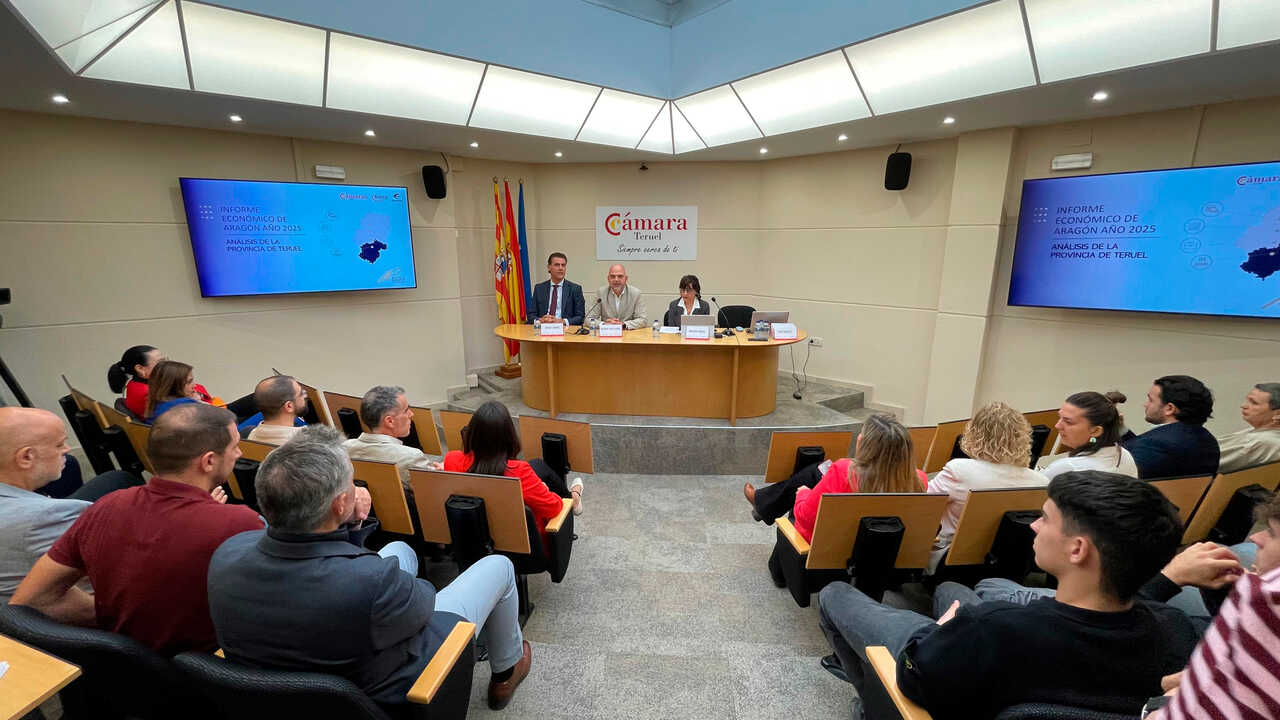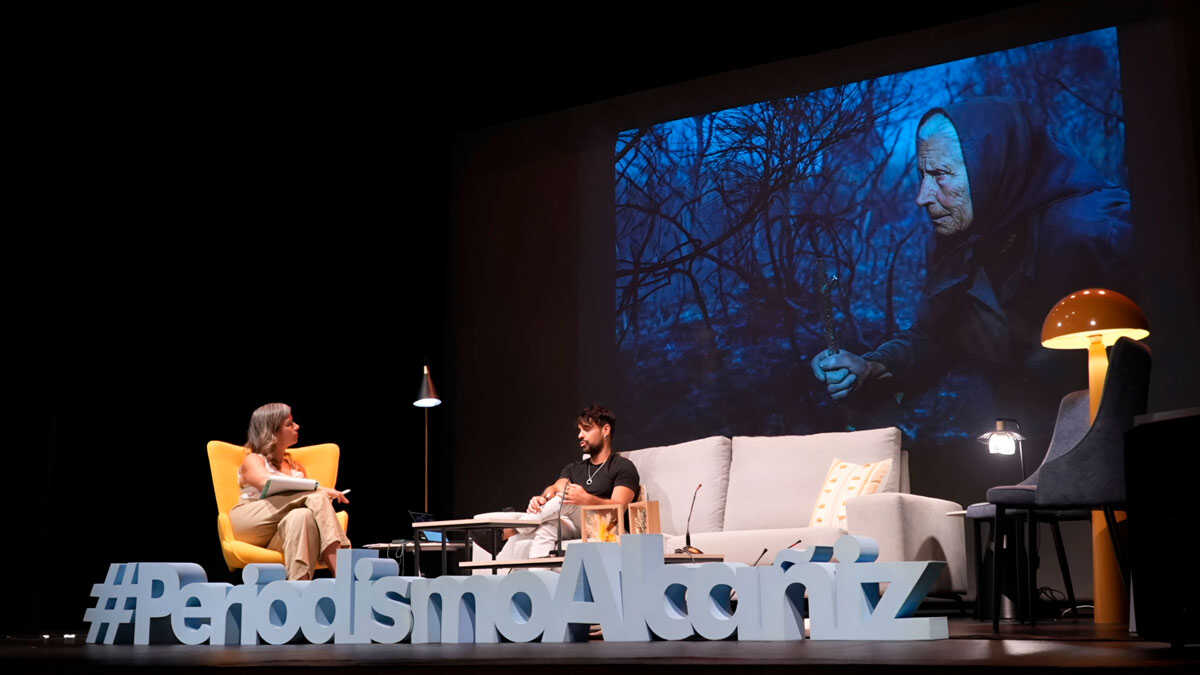
Alcañiz Theatre hosted 104 enrolled students and around 80 attendees at the open lectures this Wednesday, Thursday and Friday. A total of 31 professionals from criminology, journalism and emergency services took part in its sessions. Organizers described this edition as “very good.” “This shows that very strong projects like this one can also emerge outside the major cities,” said the course director, Eva Defior.
EMERGENCIES, COORDINATION AND PREVENTION
The sessions confirmed that emergencies are no longer exceptional situations and require structures, professionals and citizens prepared to deal with them. Representatives of the Fire Service, Civil Protection, Environmental Protection Agents and GREIM highlighted the need to reinforce personnel and resources, move toward shared coordination that makes it possible to operate as a single unit, and improve training for increasingly complex and technical emergencies.
They also called for a genuine culture of prevention, with local protection and emergency plans to prepare the population before disaster strikes. Aragon has experience and response capabilities valued by its professionals, but events such as the DANA, major wildfires and floods show that anticipating, coordinating and training civil society will become increasingly important.
In journalism, the course represented a strong defense of the profession and, especially, of reporting from the ground. Manuel Marlasca summed it up by arguing that when an incident occurs, journalists must "go, see and hear. But above all, go." In this regard, Carlos Quílez recalled that journalists need to take to the streets because that is where the details, sources and stories emerge that no search from a newsroom can replace.
Cruz Morcillo, Antonio Pampliega, Joaquín Castellón and the other professionals agreed on principles that underpin all good crime and investigative journalism: building and protecting sources over many years, checking every fact, accessing original documents whenever possible, using precise language, upholding the presumption of innocence and understanding that publishing information also means assuming its consequences.
THE LIMITS OF TRUE CRIME AND THE RISK OF HOAXES
Society’s fascination with evil and the growth of true crime also opened an ongoing debate about its limits. Interviewing criminals can provide knowledge and help explain a crime, provided that understanding never becomes justification and that the narrative keeps victims at its center. Respect, rigor and responsibility emerged as the main red lines against sensationalism and infotainment. Tere Vilas recalled that behind the so-called "cases" are people telling their story at the worst moment of their lives; Carlos Quílez defended the victim as an indispensable part of the narrative; and Carmen Corazzini highlighted the risk of revictimization. Even knowing when information should be held back because it could harm an investigation is part of that responsibility.
The risk of hoaxes and disinformation also ran through much of the course, at a time when artificial intelligence makes it possible to generate texts, images and content with a journalistic appearance extremely quickly. In response, professionals defended journalism that takes to the streets, observes, asks questions, verifies information and maintains direct contact with sources and reality. Ground reporting thus becomes one of the main tools for combating disinformation and distinguishing journalism from content and reports generated through artificial intelligence. Technology can transform tools and speed up processes, but credibility continues to be built on real sources, documents, verification and being present where events take place.
The course also prompted reflection on those who tell these stories. Crime reporters live with pain, violence and tragedy for years and need to learn how to protect themselves in order to continue working. In the face of the speed of social media, hoaxes and the obsession with being first, Alcañiz defended something much more basic during these days: checking, asking, listening, questioning, verifying and being there. As Joaquín Castellón noted, information makes us freer and journalists, rather than having power, have responsibility. To conclude, several speakers stressed that the more extreme a society’s circumstances become, the more it needs rigorous, humane journalism rooted in the field.