The organizations recalled that the agreement to improve primary care signed in January 2023 has still not been fully implemented nearly four years later. Pending measures include raising primary care’s share of healthcare spending to 25%, updating the healthcare map and reorganizing health center staffing in response to the shortage of professionals.
FASAMET and CESM Aragón consider it essential to improve working conditions so that positions in the region become more attractive and vacancies can be filled. They are calling for specific measures for hard-to-fill posts, less administrative work and improvements to transfers and employment pools, at a time when 30% of the workforce will retire within five years.
MORE INVESTMENT AND RESERVATIONS ABOUT HIRING DOCTORS WITHOUT MIR TRAINING
The unions are also calling for the next Aragon Budget for 2027 to substantially increase resources allocated to primary care. They also remain reluctant to hire doctors without MIR training to work at this level of care. According to the latest data from SALUD cited by the organizations, Aragon already has 109 professionals hired without that training.
Another issue is providing care within a maximum of 72 hours. Doctors are calling for the support consultations established in the 2023 agreements and denouncing the fact that some officials in Zaragoza’s healthcare sectors are discouraging them. In 2024, 9,783 consultations were carried out for 127,776 patients; in 2025, there were 7,240 for 95,365 patients, and through October 2026, 4,469 for 54,060.
The decrease is particularly sharp in Zaragoza I, where the number of patients treated through these consultations fell from 1,831 per month in 2024 to just 353 this year, an 80.7% decline. In Zaragoza II, the reduction was 17.2%, from 3,118 to 2,581 patients per month. The unions attribute the drop to a lack of information, restrictions and differing criteria for authorizing this additional support.
ASSAULTS ON HEALTHCARE WORKERS, ANOTHER MAJOR CONCERN
FASAMET and CESM Aragón maintain that the reduction in support consultations cannot be justified by Zaragoza’s new DUAP centers, as they perform a different function by treating non-life-threatening cases outside regular hours. In 2025, the four specialty centers offering this service recorded 146,603 visits, more than 84% of which were classified as level 3, the lowest priority level for care.
The other major demand concerns staff safety. The unions have reported the situation to the Labour Inspectorate and are calling for security personnel at all health centers and clinics. According to the Aragonese Health Service’s annual report, 887 violent incidents against healthcare workers were recorded in 2025, 11.5% more than in 2024: 638 were non-physical assaults and 249 were physical.
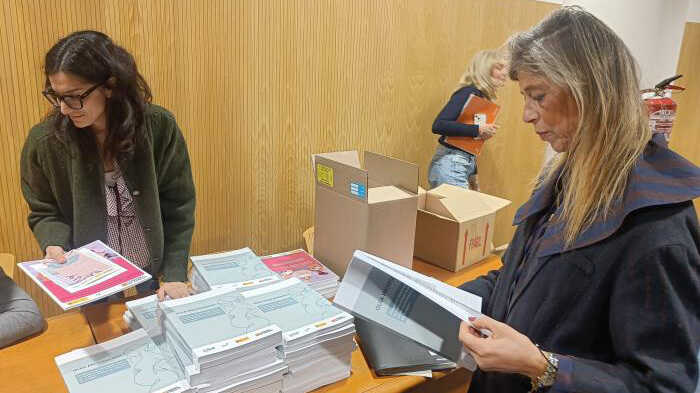
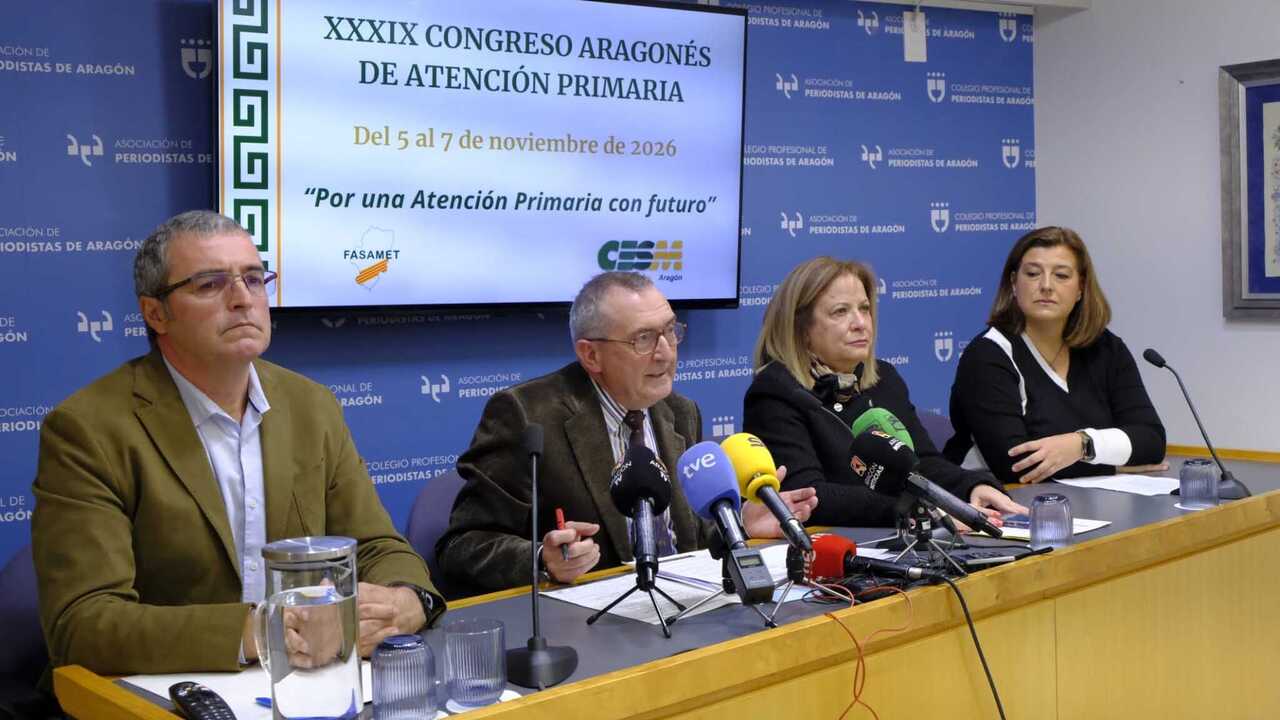
The demands were presented on the eve of the 39th Aragon Primary Care Congress, which will be held from November 5 to 7 at the Zentro Hotel in Zaragoza and will bring together around 250 professionals. The program includes fourteen talks and five workshops on menopause, fertility, insomnia, obesity, vaccines, COPD, emotional distress and responding to assaults on healthcare workers.