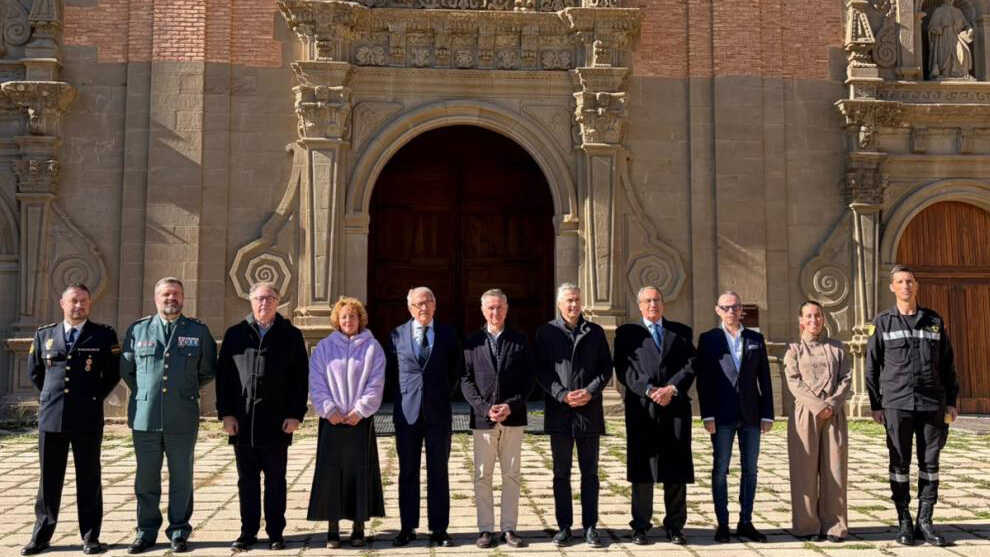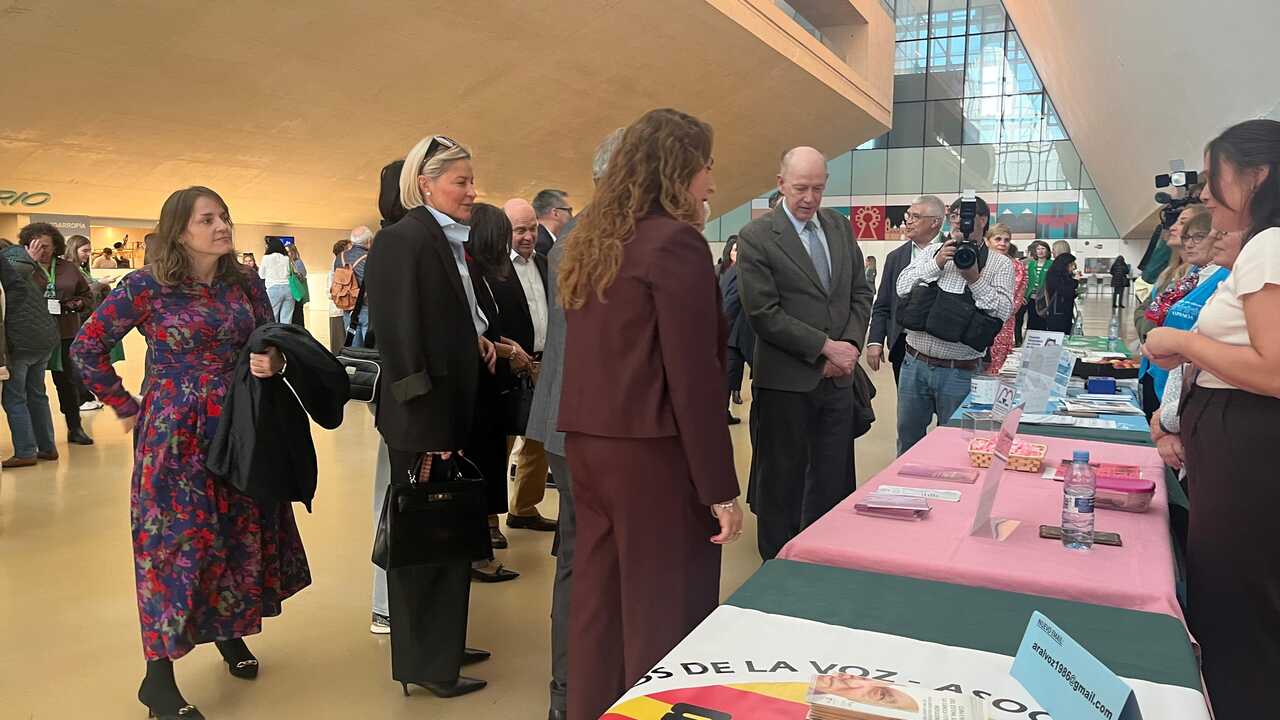
Zaragoza Mayor Natalia Chueca recalled during the opening ceremony that cancer is a disease that “practically impacts almost every family.” More than 8,000 cases are detected each year in Aragón, including over 6,500 in Zaragoza province—figures that, in her view, explain the importance of creating spaces to share experiences, advances and tools.
“There is a before and an after in every family” when a diagnosis arrives, Chueca warned. For this reason, she stressed the need to focus not only on treatments, but also on prevention and psychological support. The mayor also highlighted the work of associations that support patients and their families throughout the process.
RESEARCH, HUMANIZATION AND SUPPORT FOR FAMILIES
Aragón Government Health Councillor Ángel Sanz emphasized that the congress brings together virtually all the cancer-related associations in the region, as well as national representation. Sanz stressed that the disease causes “a significant impact on the individual and also on the family” and defended the role played by these organizations.
The councillor also noted that the event will provide an opportunity to learn about the latest scientific and healthcare developments related to cancer. “Fortunately, there is significant sensitivity in the scientific community; there are advances and research,” he said. He also argued that the work of associations complements healthcare provision and is “as important as the care process itself.”
For his part, Miguel Ángel Sauras, the regional representative of the Spanish Association Against Cancer in Aragón, explained that this 11th edition will address issues including the humanization of care, advances in research, new diagnostic procedures and the role artificial intelligence may play in tackling the disease.
The program will continue this Saturday with 32 workshops on various aspects related to cancer, its treatments and the experiences of patients and families. Sauras expressed confidence that this new edition will repeat the success of previous ones and help attendees find useful information and support in the face of a disease that, as participants agreed, extends beyond the patient and affects their entire surroundings.