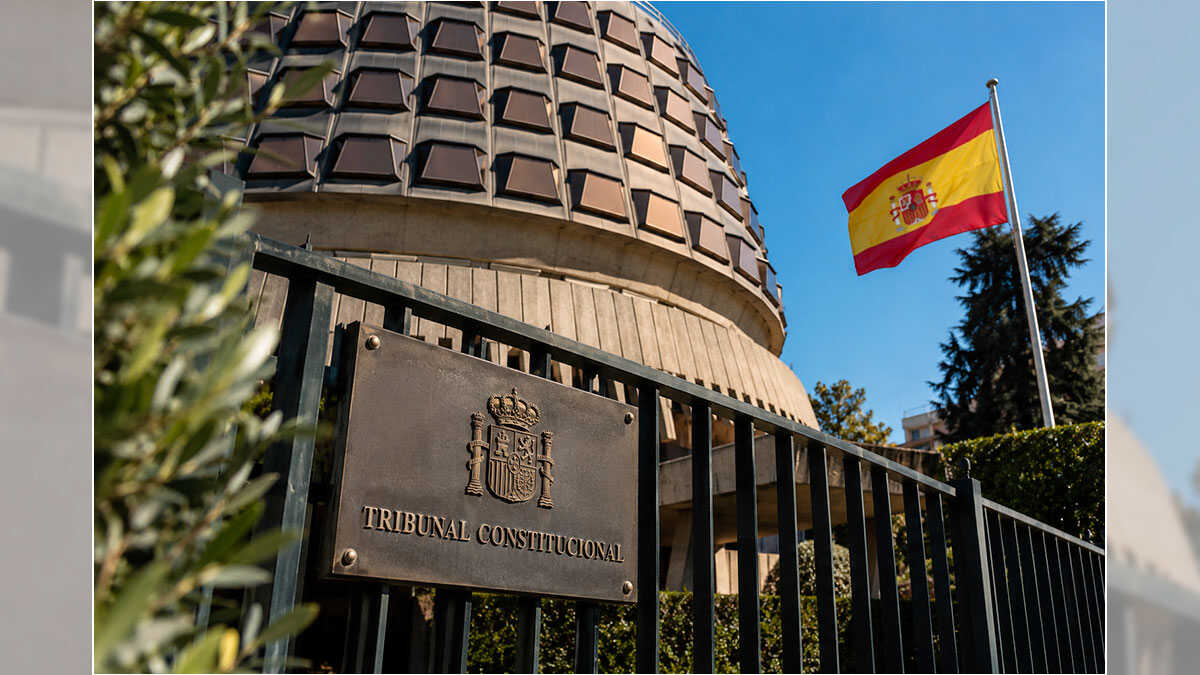
The Constitutional Court’s full bench has rejected the appeal for constitutional relief by a wide majority: ten judges voted against admitting it and two voted in favor. Ombudsman Ángel Gabilondo had asked the court to act urgently and set aside the Supreme Court’s rulings so that those affected could remain on the electoral roll and exercise their right to vote in the upcoming election.
WILL THEY BE ABLE TO VOTE IN THE NOVEMBER 29 ELECTION?
For now, those affected whose inclusion in the CERA has been suspended by the Supreme Court’s rulings will not be able to do so. The Constitutional Court has not ruled on whether they are ultimately entitled to vote; it has instead rejected the specific legal route brought by the Ombudsman. As the precautionary measures remain in place, the affected electoral registrations continue to be blocked unless a new court ruling changes the situation before the election.
The Ombudsman had warned that the electoral timetable made a decision particularly urgent and estimated that the voting rights of more than 160,000 Spanish citizens could be affected. In its appeal, it argued that the suspension could violate the fundamental rights to equality, political participation and effective judicial protection.
WHY HAVE THE ELECTORAL REGISTRATIONS BEEN SUSPENDED?
The dispute stems from the implementation of the Democratic Memory Law and a 2022 instruction that expanded the circumstances for obtaining Spanish nationality. The legal proceedings were initially brought by Iustitia Europa and later joined by Vox, which argued that some additions to the electoral roll had been made without sufficient proof that applicants were descendants of exiles. The Supreme Court decided to keep those registrations suspended as a precaution while it resolves the dispute.
The Constitutional Court’s decision therefore does not annul the so-called ‘grandchildren law’ or withdraw Spanish nationality from those who obtained it. What remains suspended is the electoral registration of those affected by the Supreme Court’s precautionary measures. The main case concerning the legality of those registrations remains open and will ultimately determine the scope of the dispute.