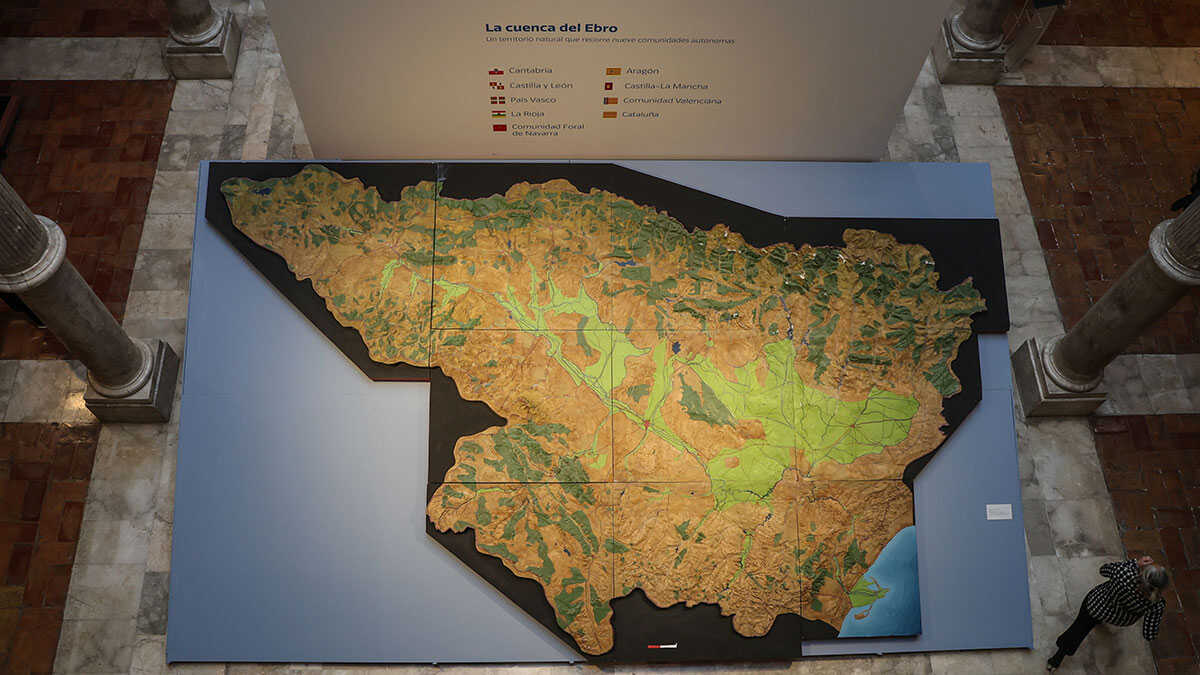
The organizers have highlighted the importance of the exhibition because it looks back at "a key step that enabled the population to have access to drinking water" and at an initiative that was a pioneer worldwide. In addition, this river basin has connected nine autonomous communities through the river, thanks to its creator, Lorenzo Pardo.
Pardo is precisely one of the exhibition's most important figures, as he is mentioned repeatedly for his major role in ensuring that the project was carried out in 1926, at a time when Spain "was truly behind the rest of Europe."
THE EXHIBITION
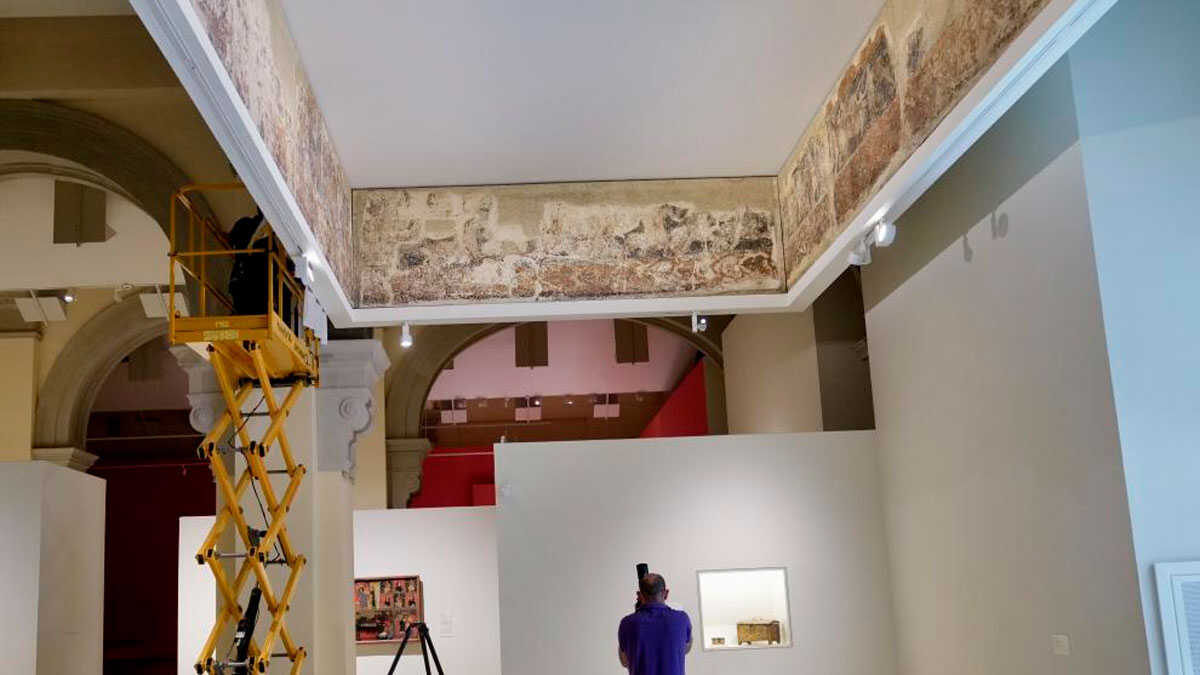
The exhibition spans two floors, with most of the paintings and displays located on the ground floor, which is divided into several rooms where visitors can explore much of the basin's history.
Across these two floors, the exhibition showcases the CHE's key role in transforming the region through its infrastructure, river projects, technological advances, civic initiatives and natural environment protection programs.
Visitors will be able to see films, photographs, paintings and documents from the period, as well as materials tracing the development of the projects. The organizers have also announced that a documentary will be produced in the future. It is a journey into the past that takes visitors back to an earlier period in Zaragoza's history and highlights its importance to progress, not only in Aragon but throughout Spain.