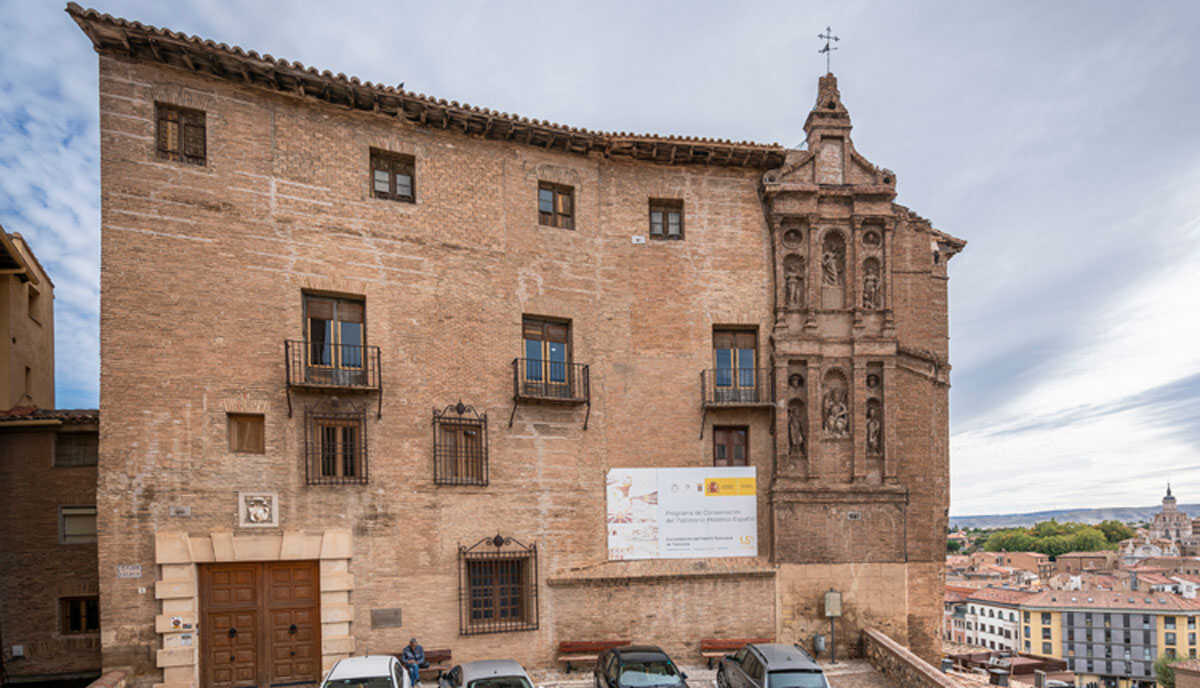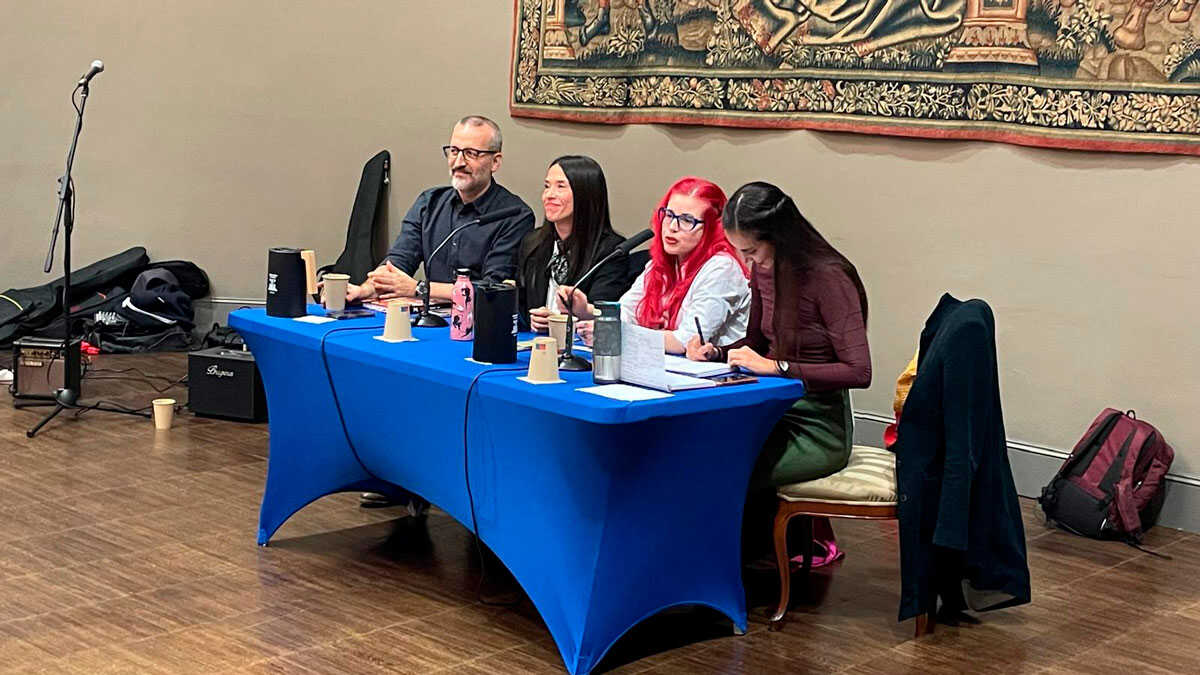
The MNAC has submitted a "proposed schedule and work plan" after the Catalan museum postponed the timetable set by the Government of Aragon—between October 19 and November 5—following the Huesca Provincial Cultural Heritage Commission meeting held last October. "On October 23, we sent the museum a new letter to learn about its plans for returning the secular paintings after the commission authorized the dismantling, packing and transfer of the works from the MNAC to the Monastery of Sijena on October 9," sources from the Aragonese government said.
In this regard, they added: "The museum must comply with the court order and return the Sijena paintings, and we will continue working toward that goal." It should be recalled that the maximum deadline set in SIT's contract with the MNAC—the company responsible for the transfer—is November 30, although Aragonese government sources stressed that this is not the "deadline set by the Government of Aragon."
The schedule initially envisaged the work lasting four to five weeks, but the MNAC said it was confident the paintings could already be at the Sijena monastery by early December under its timetable.
THE SECULAR PAINTINGS
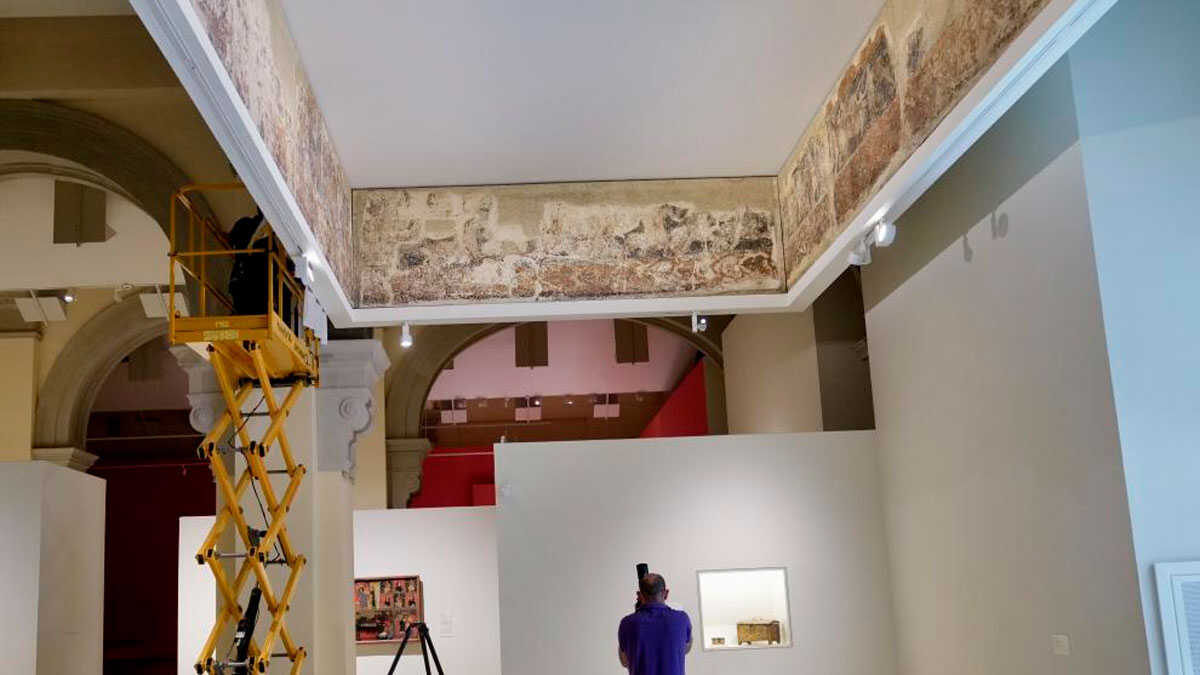
The secular paintings are "easier" to transfer than the murals, according to statements by the MNAC, as they present fewer problems involving porosity or flaking. They consist of a group of eight mural panels created around the year 1200, during the Romanesque period.
The ensemble measures approximately 22.5 meters in total and originally formed a continuous frieze at the top of a rectangular room located between the church and the cloister of the Monastery of Santa María de Sijena.