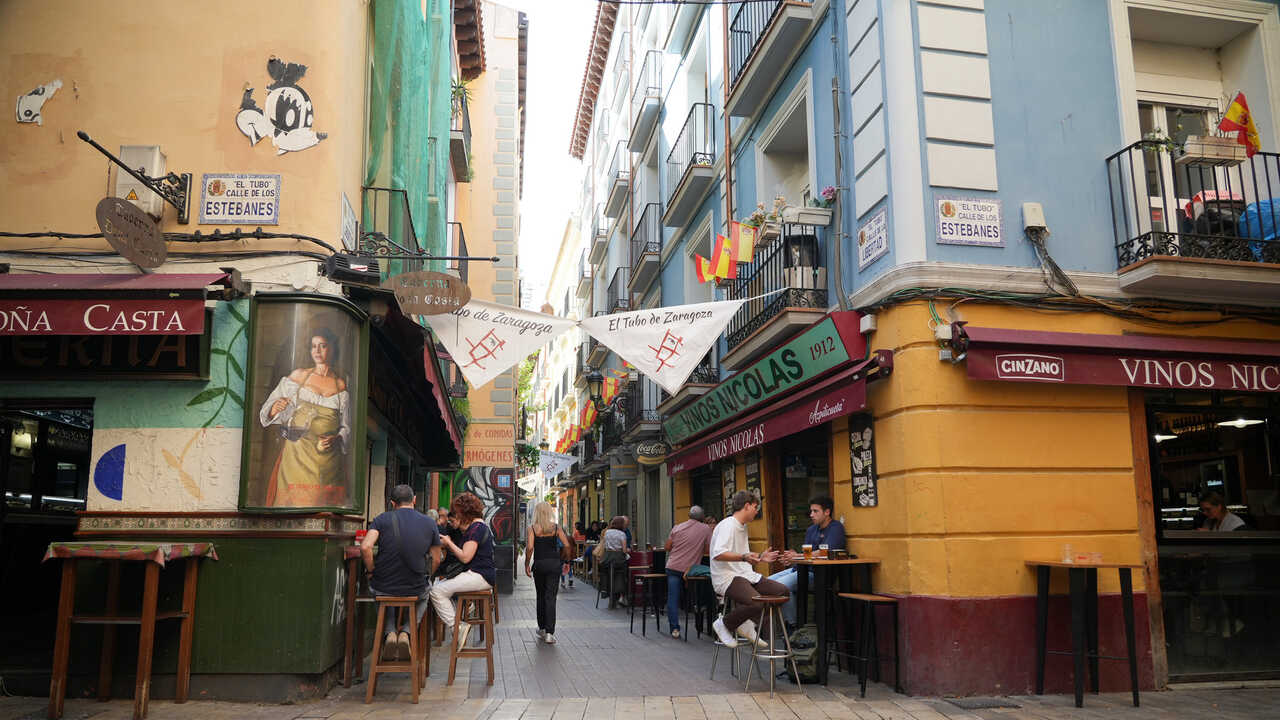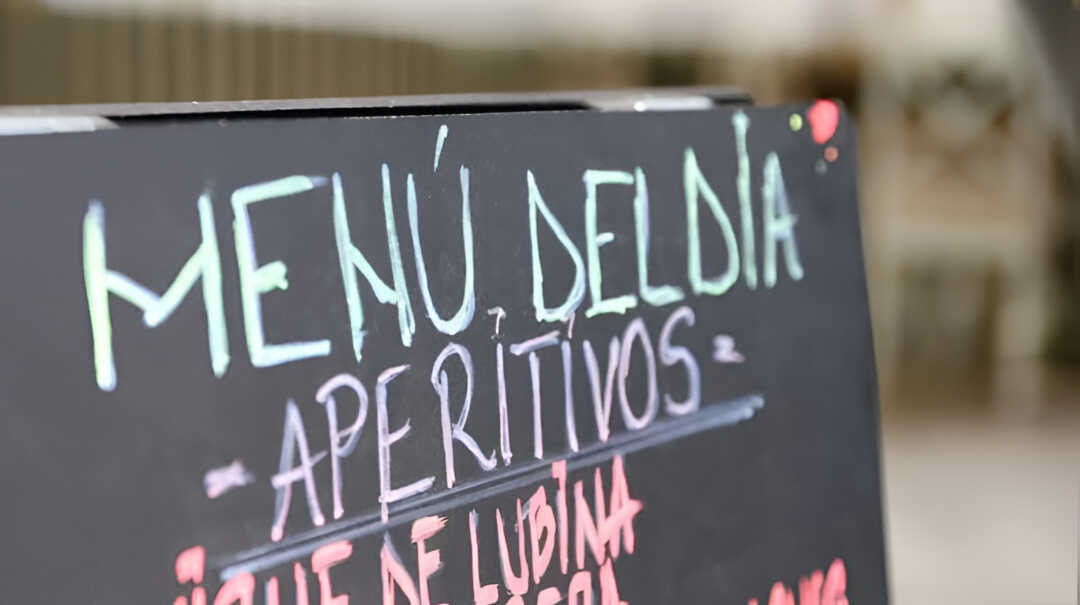
The increase means paying 50 cents more per meal. For someone who chooses this option over 20 working days, the average outlay would reach €294 a month, €10 more than the previous year. The fixed price remains its main attraction: 34.5% of the establishments surveyed cite it as the reason their customers choose the menu, ahead of home-style cooking and speed of service.
WHY THE MENU PRICE IS RISING
The survey by Hostelería de España, conducted in collaboration with Edenred, records increases in the cost of basic ingredients and other expenses needed to open every day. Eggs rose 12.3% year on year in September; pulses and vegetables, 9.8%; beef, 7.9%; and fresh and frozen fish, 4.5%. These increases were compounded by an 11.4% rise in electricity prices and higher labor costs, which advanced 1.5% during the first half of the year.
This pressure is reducing the margin businesses have between their income and expenses. Although restaurant turnover grew by an average of 2.7% through July, activity fell 1.6% after discounting the effect of higher prices. In other words, taking in more money does not necessarily mean serving more meals.
UP TO €2.80 DIFFERENCE BETWEEN REGIONS
Where people eat also affects the bill. The Canary Islands and Murcia have the cheapest average set lunch menu, at €13.50, while the Basque Country records the most expensive, at €16.30. The difference is €2.80 per meal. Extremadura, Asturias and Andalusia stand at €14; the Balearic Islands reach €16 and Catalonia, €15.70. In addition, the Balearic Islands and the Valencian Community have kept their prices unchanged from the previous year.
Establishments are also expanding their options to adapt to different budgets and habits. Some 47.1% offer a half menu, an alternative for those who want to eat less or adjust their spending. The option to take food away is even more widespread: 68.7% of the businesses that answered this question offer a takeaway menu.
HOME-STYLE FOOD WITH MORE CHOICE
Traditional cuisine remains prominent: 84.9% of establishments include Spanish or regional dishes at least once a week, while 50.4% do so daily. At the same time, 89.1% allow some form of menu adaptation to meet different dietary needs, either routinely or upon request. The survey thus portrays a formula that preserves traditional recipes while incorporating greater flexibility for customers.