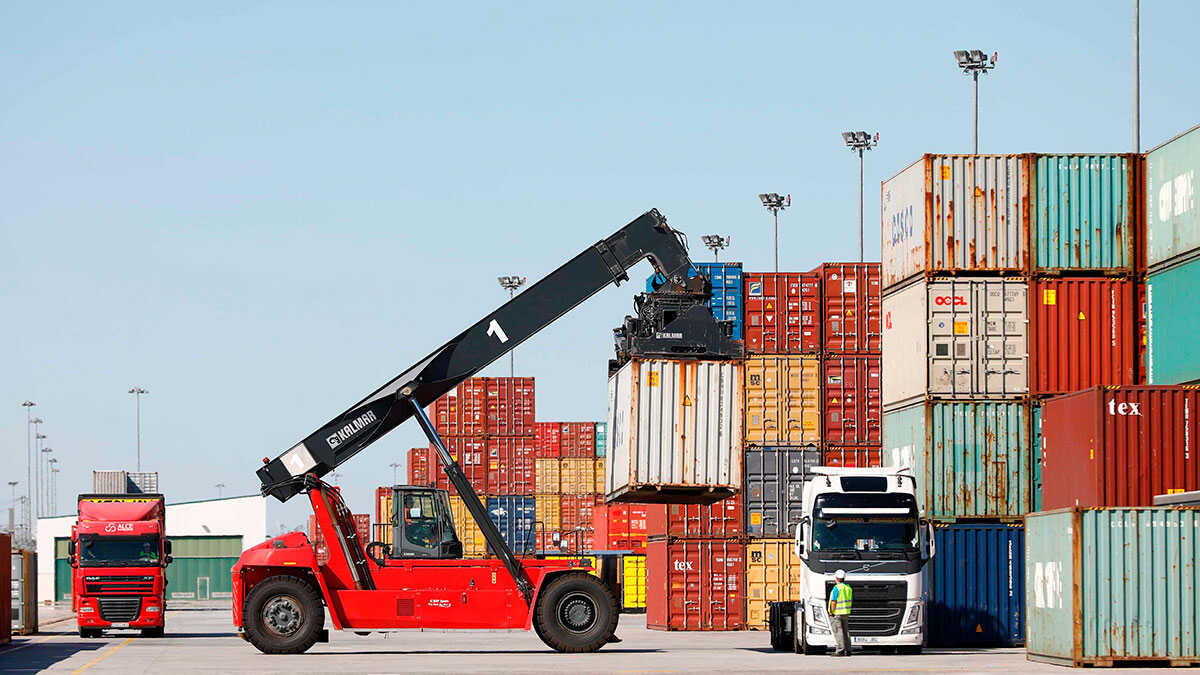
The reform, approved this past September 3, is the most far-reaching overhaul of the European customs system in decades. Its main new features include a new EU Customs Authority, a shared data hub and new obligations for e-commerce platforms.
MORE CONTROL OVER ONLINE PURCHASES
Platforms based outside the European Union that sell products to consumers in the bloc will be considered importers. As a result, they—not the final buyer—will be responsible for completing customs formalities and paying the applicable duties.
The legislation also toughens penalties. In the most serious cases, fines could reach up to 6% of the annual value of the goods imported by the company during the previous year. Customs privileges may also be withdrawn, and restrictions could even be imposed on access to online platforms.
Small shipments will also be under scrutiny. Before November 1, 2026, the EU will introduce a common handling fee for small packages entering the bloc. The European Commission will set the amount.
A NEW EUROPEAN CUSTOMS AUTHORITY
The reform will also create the European Union Customs Authority, a new agency based in Lille, France, which will begin operating in 2027.
This authority will work with the new EU Customs Data Hub, which will bring together information on imports and exports and make it possible to identify higher-risk goods so inspections can be prioritized.
More reliable companies will also receive benefits. So-called “Trust and Check” operators will be able to access simplified procedures if they meet strict transparency requirements and provide complete information about their goods.
THE CHANGES WILL BE INTRODUCED GRADUALLY
The reform still has to complete the legislative process. The European Parliament is expected to approve the final text at the end of September, before it is signed and published in the Official Journal of the European Union.
The Customs Data Hub will become mandatory for e-commerce companies from July 1, 2028, and for all other operators from March 1, 2034.
The volume of goods crossing Europe’s borders explains the scale of the change. In 2025, the European Union’s 2,200 customs offices and 84,000 officials collected nearly 31 billion euros in customs duties and handled around 6 billion e-commerce packages. More than 90% of those packages arriving in the EU came from China.


