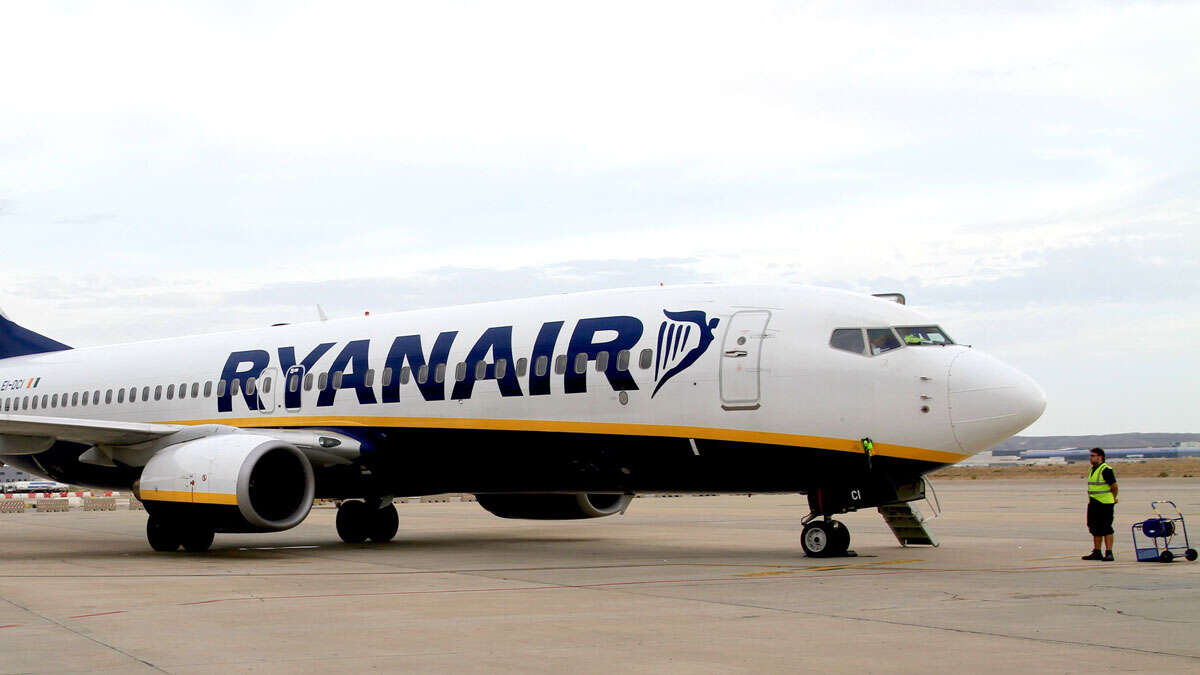
The airline warned at the time that eliminating these connections would result in the loss of 2.5 million passengers a year and nearly 2,000 jobs, as well as around 30 million euros annually for AENA through airport fees and commercial revenue, according to its own estimates.
The conflict stemmed from the requirement to use jet bridges, a system Ryanair considered unnecessary and more expensive than boarding on foot. The company accused AENA of abusing its dominant position and pointed out that it had been operating and increasing traffic in Alicante for five years without using these facilities.
To support its position, Ryanair presented a survey of more than 22,000 Spanish passengers. According to the results released by the airline, more than 90% supported allowing passengers to board and disembark on foot, while more than 93% opposed paying higher fees to fund the jet bridges.
Ryanair's then-president, Michael O'Leary, described AENA's actions as "reprehensible" and announced an 80% cut in the number of the company's aircraft based in Alicante, reducing the fleet from eleven to two during that winter.
Despite the forceful announcement, O'Leary left open the possibility of reversing the cancellations if AENA allowed the return of the walk-on boarding system.
The disappearance of the Zaragoza-Alicante connection was therefore one of the consequences of that dispute over airport costs. This is how we reported it in Aragón Digital 15 years ago, in the original article about Ryanair's route cancellation and its reasons.