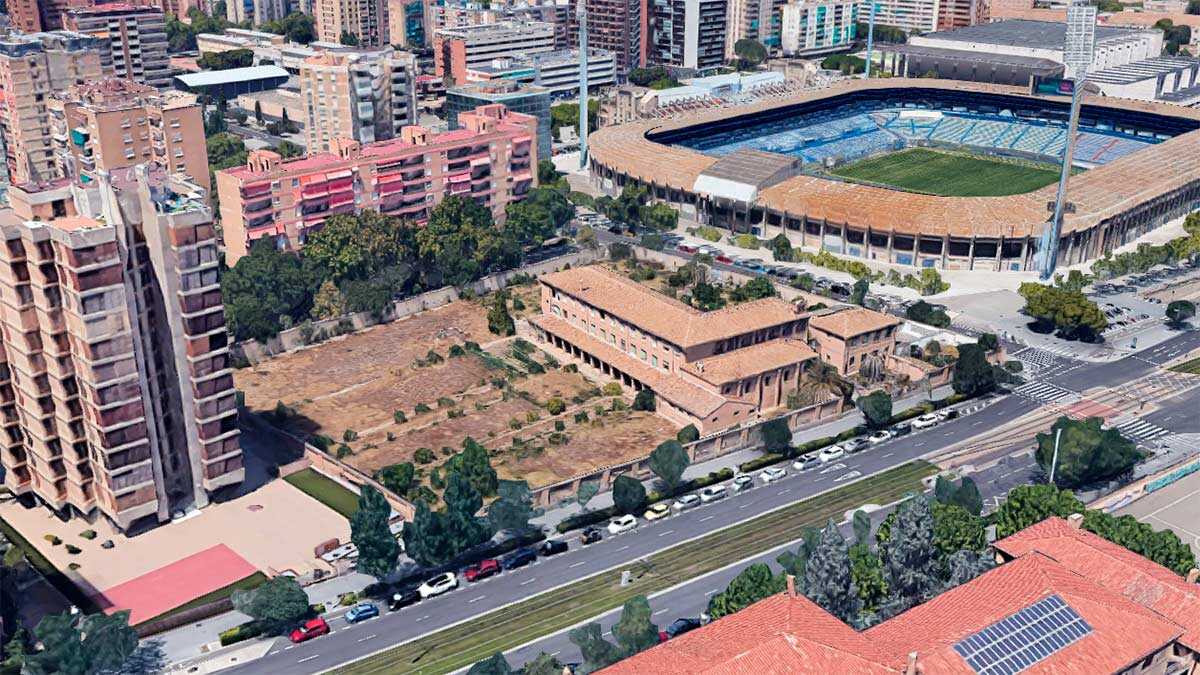
Two of the projects comprise 359 homes. In the Tenerías district, Instalaza's departure from the city center will allow 155 homes to be built, 31 of them subsidized, along with new roads and commercial spaces that will improve the area's connection with the Ebro. Meanwhile, Living Romareda includes 204 homes at the former Jerusalén convent, 68 of them for rent, and two residences: one for older people and another for healthcare workers and patients' relatives.
THEY WILL HELP HEAL THE CITY'S URBAN SCARS
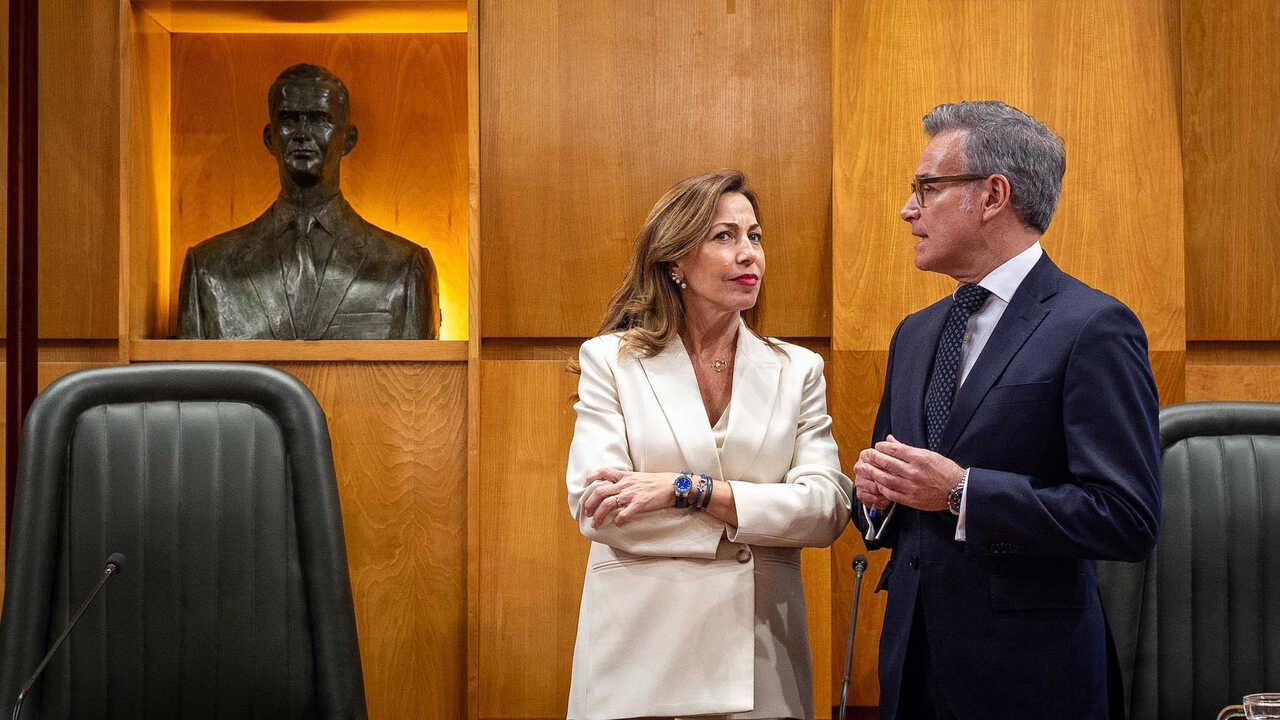
Urban Planning Councillor Víctor Serrano defended the projects, saying they would help "heal major scars" in the city and increase the supply of subsidized housing.
Vox backed the projects, arguing that they would benefit citizens, including through new parking spaces. The left disagrees. Zaragoza en Común councillor Suso Domínguez described the Living Romareda project as a "sweetheart deal," while Socialist councillor Ros Cihuelo questioned the conditions attached to the developments.
In the case of Instalaza, the PSOE abstained and warned that the development could take at least five years to materialize, urging the municipal government not to create false expectations among local residents.
The third proposal approved concerns the Alumalsa site, where urban planning changes will also be introduced. The plenary session was also marked by the participation of several neighborhood groups from Picarral, which expressed their opposition to the future wastewater treatment plant planned for the Tereos site. Their representatives conveyed their concern to the city council about the infrastructure's location and its possible impact on the neighborhood.