The data collected show that 62.8% of the identified tree pits present suffocation problems, while 29.2% are empty and 8% contain a stump. The platform also warns that the work is not yet complete: it estimates that it has reviewed approximately two-thirds of Utebo's tree pits, meaning the number of incidents could increase as the register expands. All locations were geolocated on the ground using a digital tool that requires users to be physically present at the site to add the data.
CALLS FOR IMPROVEMENTS TO URBAN TREES
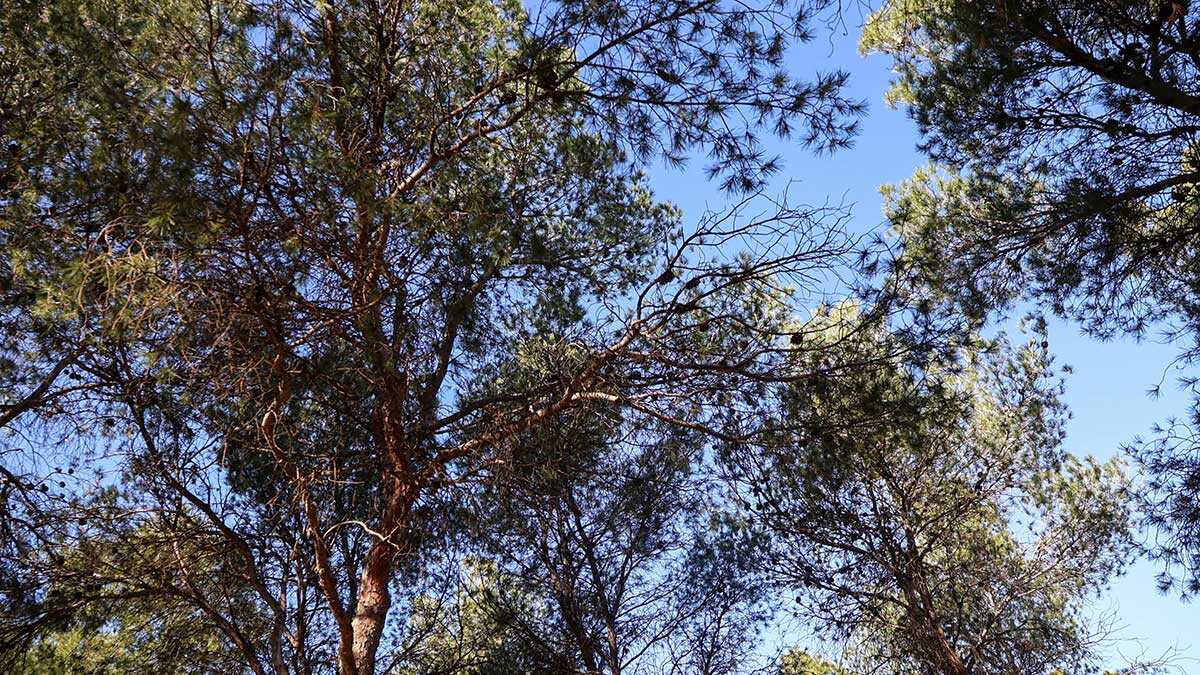
The initiative also aims to draw attention to the importance of trees for health and quality of life. Residents emphasize that trees provide shade and coolness during the hot months, improve air quality, reduce noise and contribute to physical and emotional well-being. In this regard, they criticize the City Council for covering tree pits without replanting them, allegedly arguing that this is necessary to ensure sufficient sidewalk width and pedestrian mobility. The group maintains that other solutions exist and points out that some streets have enough space but lack trees and other green infrastructure.
The neighborhood platform is offering the map to Utebo City Council free of charge as a tool for assessing the state of the urban trees and planning future measures. The group notes that the lack of shade also particularly affects people with reduced mobility, who suffer the consequences of high temperatures on streets exposed to the sun. Utebo is thus joining an initiative involving more than 500 associations and groups from over 150 municipalities across Spain. The results can be viewed on the ecomapa.org website.