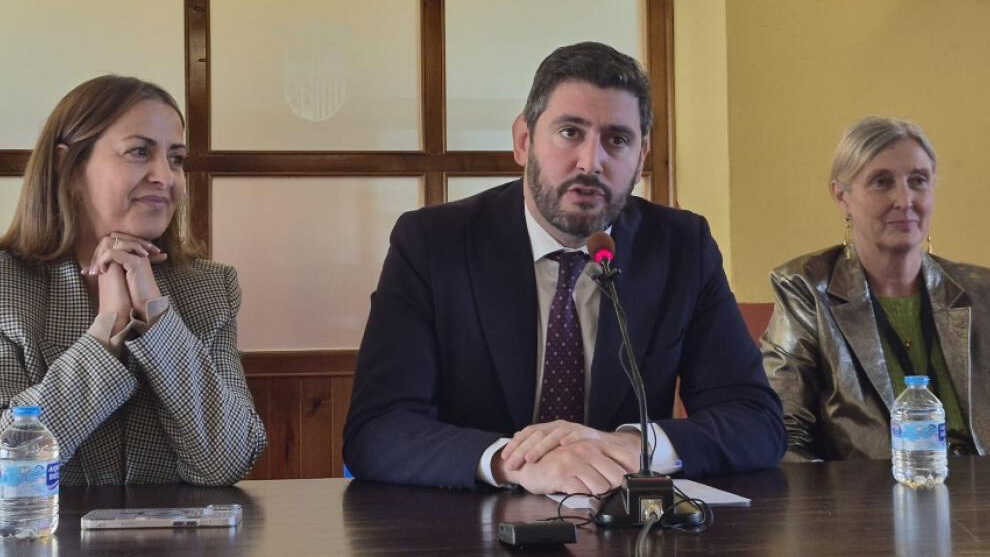
Sanz explained that he personally took part in a meeting with medical representatives last Tuesday in which, in his view, the key issues were addressed. “For me, all the points have now been discussed, but our door is always open to address any circumstances,” he said. The minister maintains that only less significant matters remain, which can still be negotiated.
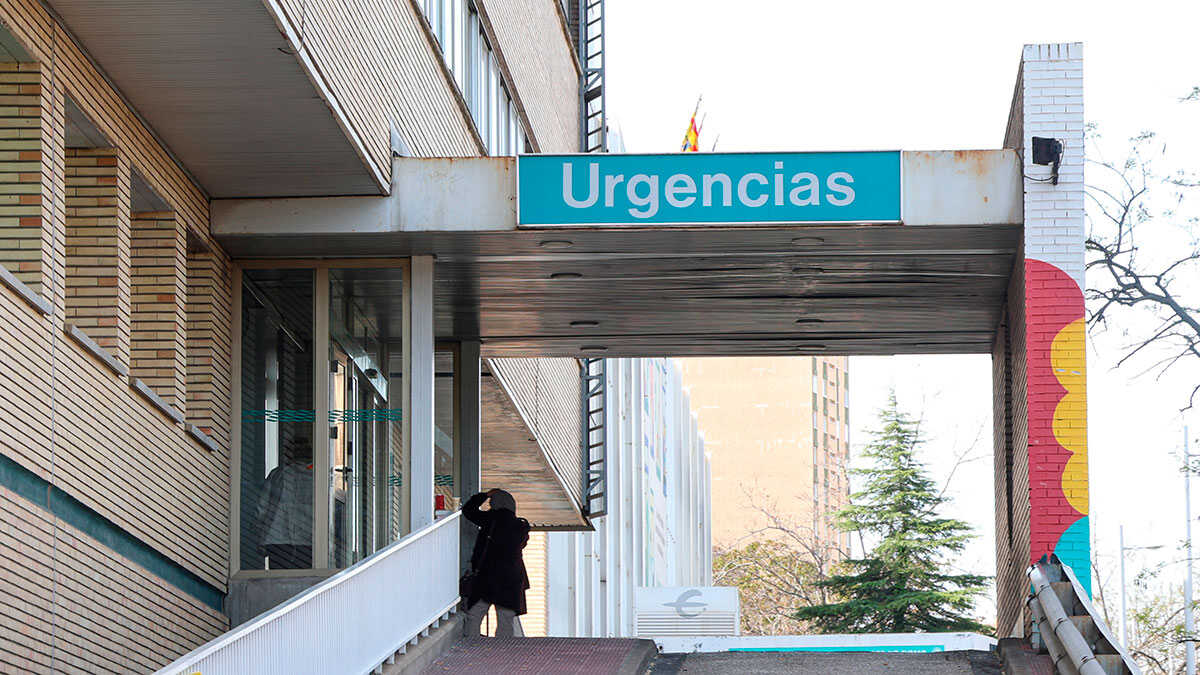
The health chief also highlighted the consequences of the protests for patients. “I would like normal operations to resume now,” he urged, particularly because of the consultations and surgeries that have been suspended. He warned that it was concerning that some patients were seeing appointments and surgical procedures canceled “without prior notice” and without time to reorganize their schedules.
HEALTH AUTHORITIES WARN OF IMPACT ON CONSULTATIONS AND SURGERIES
The lack of prior notice is also making the hospitals’ daily organization more difficult. “It has made it impossible for us to notify patients so that they do not attend because the activity has been suspended,” Sanz lamented. For now, the Health Department does not have a consolidated figure for the consultations or procedures affected, as the data must be collected from all centers, although the impact is uneven and is being felt mainly in consultations.
The preliminary agreement reached with the doctors has still not been signed, although the minister has downplayed the issue. “The agreement is verbal; we are adults, and our word stands,” he argued, also recalling that what was discussed is recorded in the minutes of the meetings. Asked directly about the possibility of signing it, Sanz was emphatic: “If they want to do it now, I’ll sign it now.”
Sanz’s comments came after medical unions acknowledged this week that they had moved closer to an agreement with the Salud regional health service following months of negotiations. The Strike Committee said there was a desire to reach an agreement satisfactory to everyone, although it has still not been formally signed.