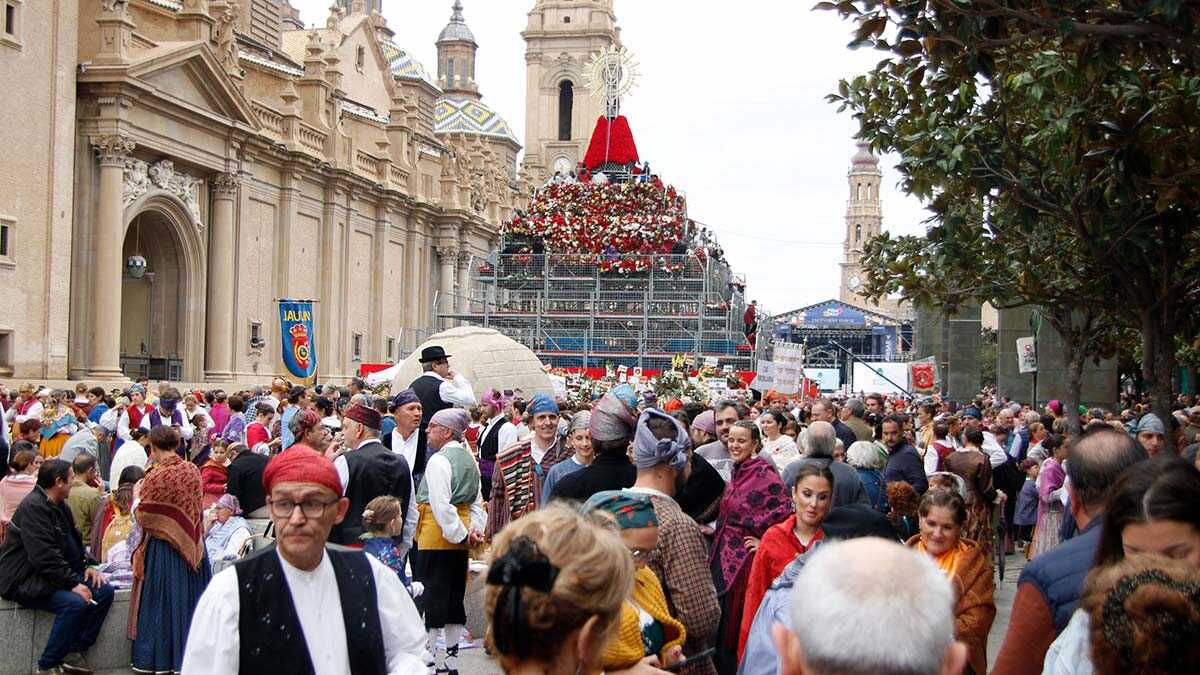
Until now, organizations were not required to provide their tax identification number on the form and, according to the Culture Department during Wednesday's draw, some groups would register "three, four or five times" in an attempt to secure their preferred time slot. Once the result was known, they could delete the registrations that did not suit them. "Once you have registered your tax identification number, you can no longer register again," the organizers said.
STRICTER CONTROLS FOR THE OFFERING GROUPS
The new regulations, published before the registration period opened, also stipulated that all groups had to be linked to organizations with a tax identification number. In addition, each registration had to include a minimum of 20 members and a maximum of 200, meaning that organizations exceeding that figure will have to split into several groups. A random monitoring system has also been introduced to verify that the number of participants matches the declared figure.
To carry out these checks, the organizers may distribute access credentials to certain groups in the days leading up to the Offering. The measure aims to prevent discrepancies between registered participants and those who ultimately take part in the procession while also improving the planning and flow of a route that last year forced the Offering to be extended until October 13.


