The exhibition can be viewed free of charge until March 14 at Casa Pirenaica and offers an approach to the culture and identity of Ansó through the work of Ramón Acín. The exhibition features 32 works, with a prominent selection by Acín, as well as works by Marcelino Unceta, Félix Lafuente and Juan José de Gárate, alongside photographic reproductions by José Ortiz Echagüe and Eduardo Cativiela, who helped create a valuable visual record of Ansotana culture.
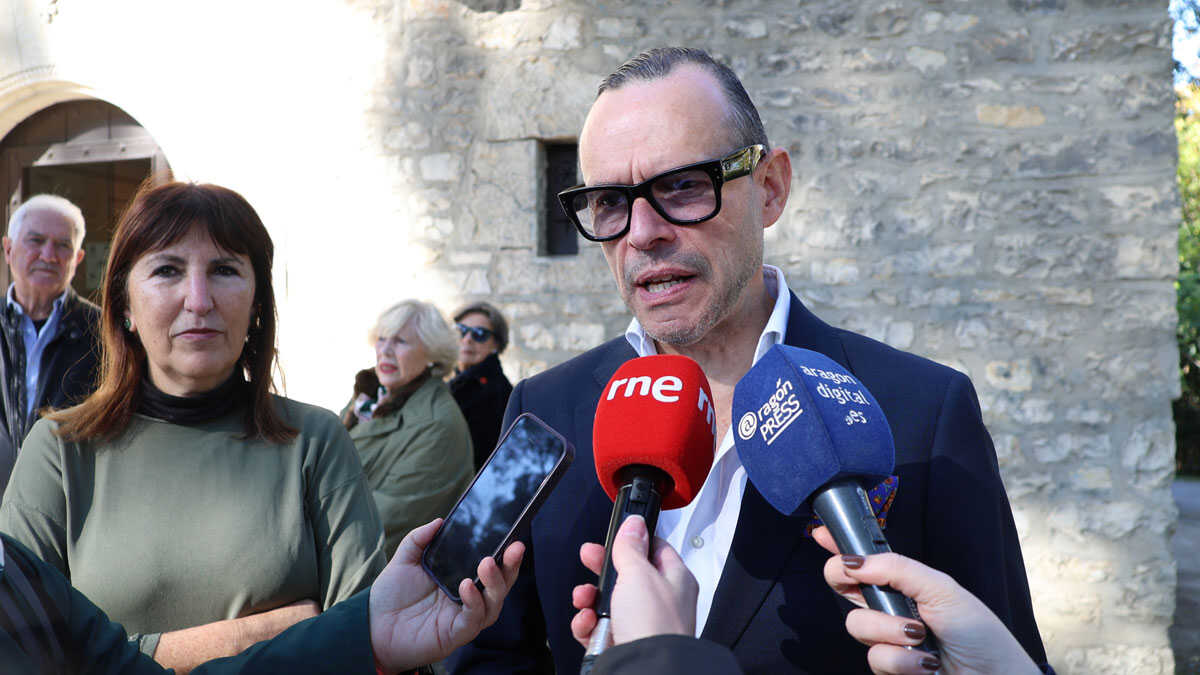
The exhibition also offers an opportunity to rediscover the origins of the Museum of Zaragoza’s own ethnology section, known as the former Casa Ansotana, which was established in 1924 thanks to the legacy of the Cativiela family. “The core of this exhibition is the drawings Ramón Acín made when he spent a summer in Ansó in 1923, but it also includes other artists who drew inspiration from this town for their work. We also wanted to explore the origins of Casa Ansotana in 1924. Now that the Museum of Zaragoza is closed at its main site, we also want to highlight that the museum is much more than Plaza de Los Sitios,” explained the director of the Museum of Zaragoza, Eva Alquézar.
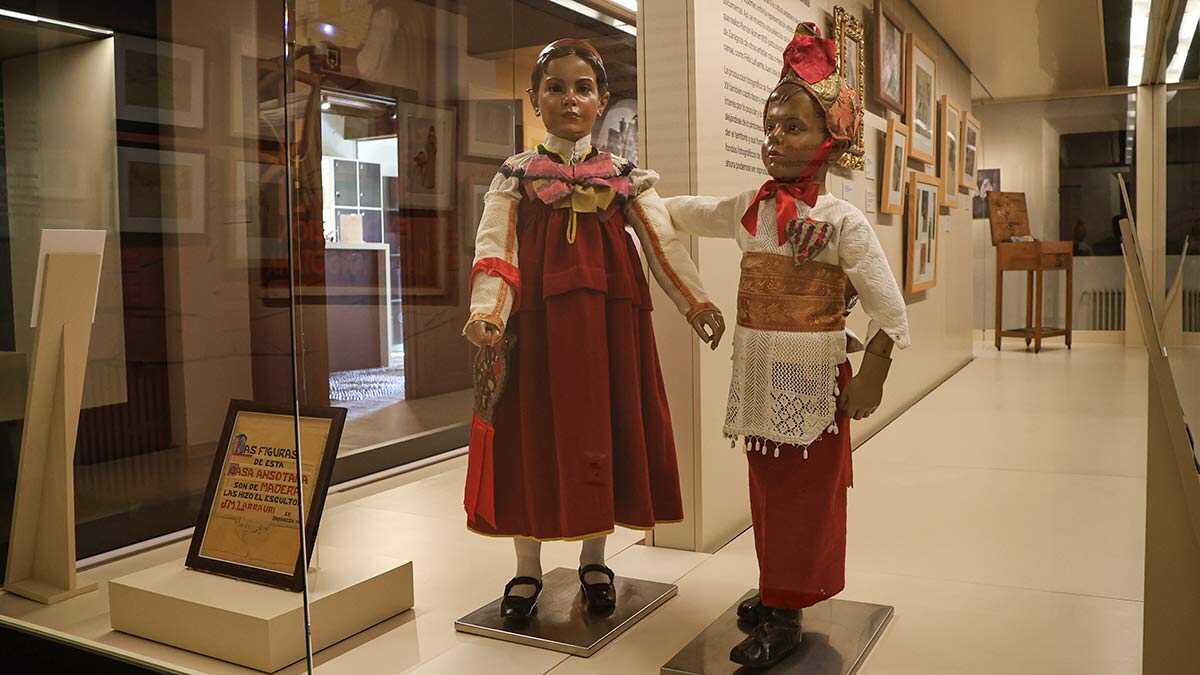
The exhibition also features two children’s mannequins made in 1924 by sculptor José Mateo Larrauri Marquínez for the opening of Casa Ansotana, dressed in some of the collection’s most representative garments. “This exhibition is small but highly selective; it is a gourmet exhibition that tells the story of the importance of Aragonese culture in Spain, taking us back to the summer Acín spent in Ansó. He was a humanist and a great promoter of cultural life, not only in Huesca but throughout Aragon. He has been one of the great intellectuals overlooked during the centenary of the Generation of ’27, but he is an essential reference for understanding it,” said the director general of Culture, Pedro Olloqui.
THE MAIN SITE IS STILL UNDER CONSTRUCTION
The Ethnology Section, the Ceramics Section and the archaeological site of Colonia Celsa enrich the Museum of Zaragoza, whose main site, located in Plaza de Los Sitios, is currently closed. The director general commented on the situation. “We are all enthusiastically involved in the process of renovating and reopening the Museum of Zaragoza. We hope to have good news once the work is completed, sooner rather than later,” he said.
The center’s director, Eva Alquézar, explained that it is still too early to discuss deadlines because “there is still a great deal of work to be done.”