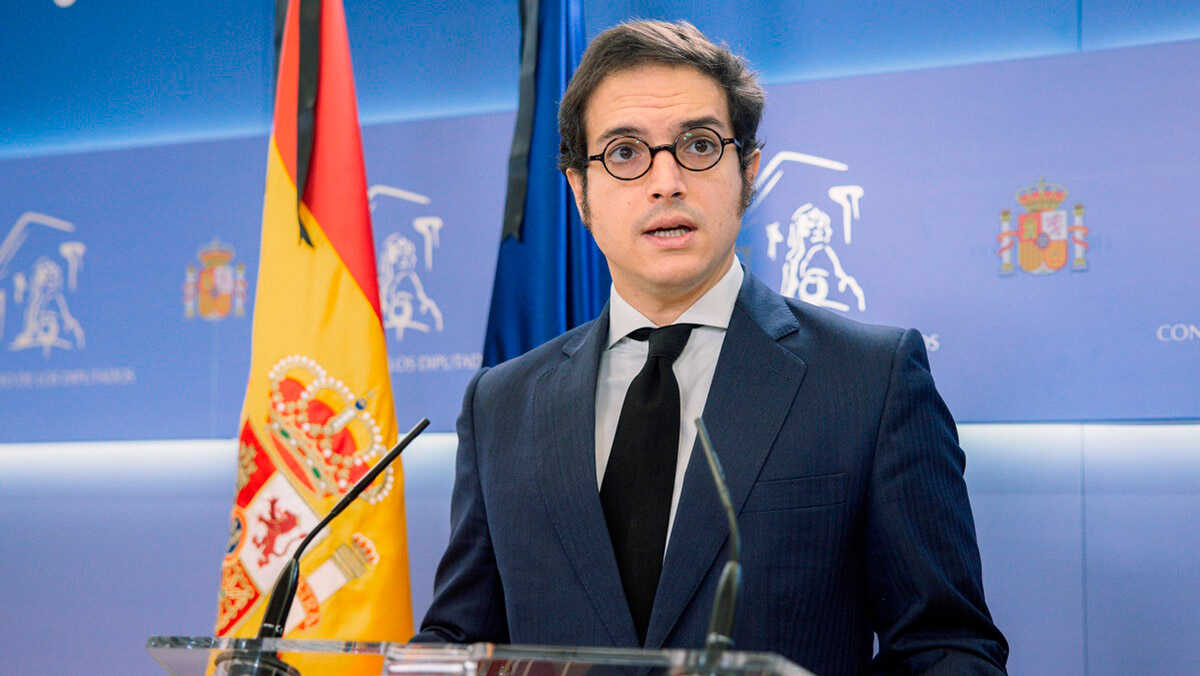
Figaredo made the remarks in an interview with Cuatro reported by Servimedia, where he stressed that the asylum procedure for Moroccans “cannot be initiated automatically, as happens in other countries that have been declared dictatorships or where it has been established that there is ideological persecution of specific ethnic groups.”
“This does not apply in the case of Morocco,” he said, before explaining that if an asylum application is received from Morocco, the response should “basically be that, unless there is clear evidence of specific persecution against that person, supported by evidence in the application file, the application should be automatically rejected.”
At the same time, when asked whether homosexuals face persecution in Morocco, Figaredo stressed that “according to the European Union, they do not.” He was also asked whether the asylum applications of homosexuals who entered Ceuta at the end of July should likewise be rejected.
In this regard, Figaredo said that “if they do not provide documentary evidence indicating that there is direct personal persecution, it cannot be something generic, but rather personal evidence that a particular institution has persecuted them or that they have suffered arbitrary detention, then, barring that, their applications should not be admitted; they should be rejected, and proceedings should only be initiated when such evidence exists.”
Regarding the unaccompanied foreign minors in Ceuta, Figaredo criticized the government for seeking to create “a situation of confusion and difficulties for Spaniards because they use the conflict as a political banner.” “Morocco has said it wants the minors back,” and “Spain is prepared to return the minors,” he added.
He also added that, under the European Union’s latest returns regulation, “minors who have entered illegally can be returned to countries considered safe.” “The law says that the minors must return to Morocco,” he concluded.