Navarro addressed the issue during the opening of a conference on the new General Traffic Regulations, held at the DGT’s headquarters in Madrid. The changes to the regulations will mainly affect vulnerable road users: pedestrians, cyclists, personal mobility vehicle users, moped riders and motorcyclists.
“The other day we woke up to some ‘fake news’ saying that the V-16 would no longer be mandatory from October 1. Who thought that up?” Navarro said.
DGT HIGHLIGHTS THE ADVANTAGES OF THE V-16 WARNING BEACON
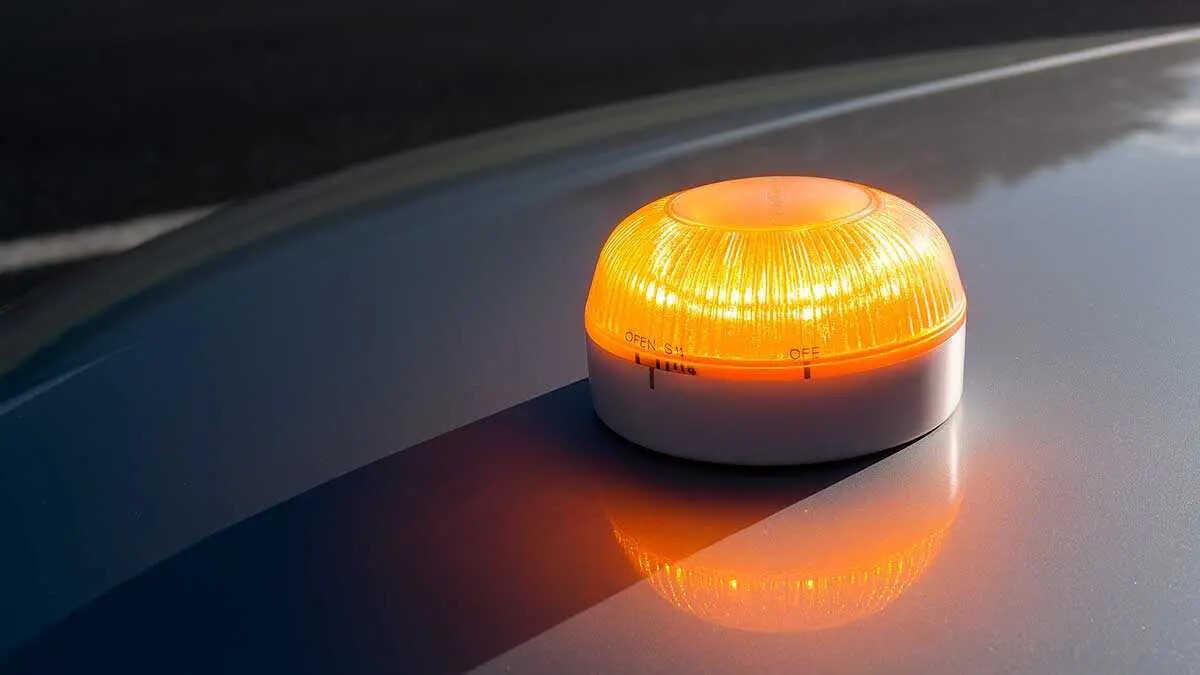
The Director General of Traffic recalled that the use of this light-emitting beacon has been mandatory since January 1 in the event of a breakdown or crash involving cars, vans, buses, mixed-use vehicles, trucks and combinations of non-special vehicles. Its use is now “well established” and “all the advantages are clear.”
Navarro stressed that there were more than 160,000 activations of the V-16 beacon this summer. It is a connected light-emitting device that allows drivers to be informed that there is an incident on the road.
“In Europe, they are already talking about the Spanish beacon, while here we continue to question our own existence,” he said.