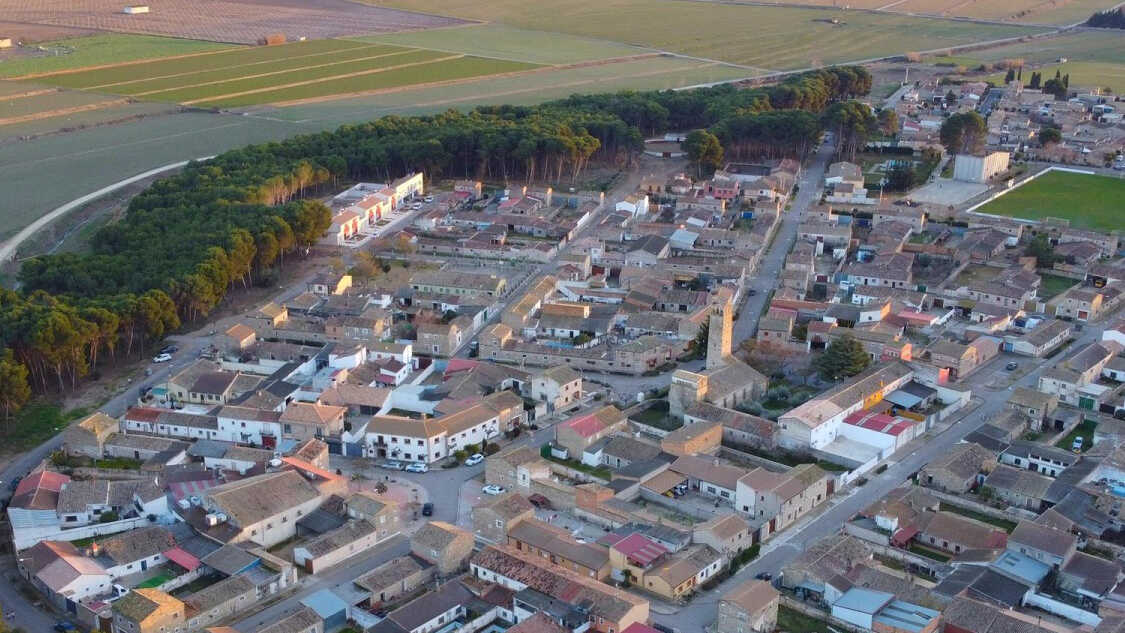
49 PROJECTS IN 25 MUNICIPALITIES
The program includes 49 projects distributed among the 25 municipalities in the province with this type of settlement. Through this annual call for applications, local councils can finance works aimed at improving the services provided to residents of these communities.
Alfredo Zaldívar, the provincial delegate for Cooperation, said the plan’s approval “reaffirms” the provincial institution’s commitment to territorial cohesion and the provision of quality public services throughout the province. He said the investments would target areas considered essential to residents’ quality of life.
40 RURAL DISTRICTS WILL BE ELIGIBLE
For the purposes of this call for applications, rural districts are considered to be settlements separate from the municipal seat that have distinctive characteristics due to their population, urban structure, historical background or separate identity, and that have been officially recognized as such by Zaragoza Provincial Council.
In total, the plan covers 40 rural districts in 25 municipalities. They include Casas de Esper in Ardisa; Oitura in Bárboles; Viver de Vicor in Belmonte de Gracián; Malpica de Arba in Biota; Embid de la Ribera, Torres and Huérmeda in Calatayud; and the eight rural districts of Ejea de los Caballeros: Bardenas, El Bayo, Farasdués, Pinsoro, Rivas, El Sabinar, Santa Anastasia and Valareña. Settlements in municipalities such as Tarazona, Tauste, Sos del Rey Católico, Sádaba, Sigüés, Murillo de Gállego and Fuentes de Ebro are also included.
IMPROVEMENTS TO WATER, STREET LIGHTING, ROADS AND PUBLIC BUILDINGS
The aid may be used to maintain and renovate public buildings, improve access roads and pave streets, as well as for work on sewerage networks, cemeteries, drinking water supplies and public lighting.
Projects involving cultural facilities and museums, among other municipal services, may also be funded. The provincial council stresses that the aim is to prevent the geographical dispersion of these settlements from creating inequalities in access to public services and to help maintain and improve quality of life in rural districts.


