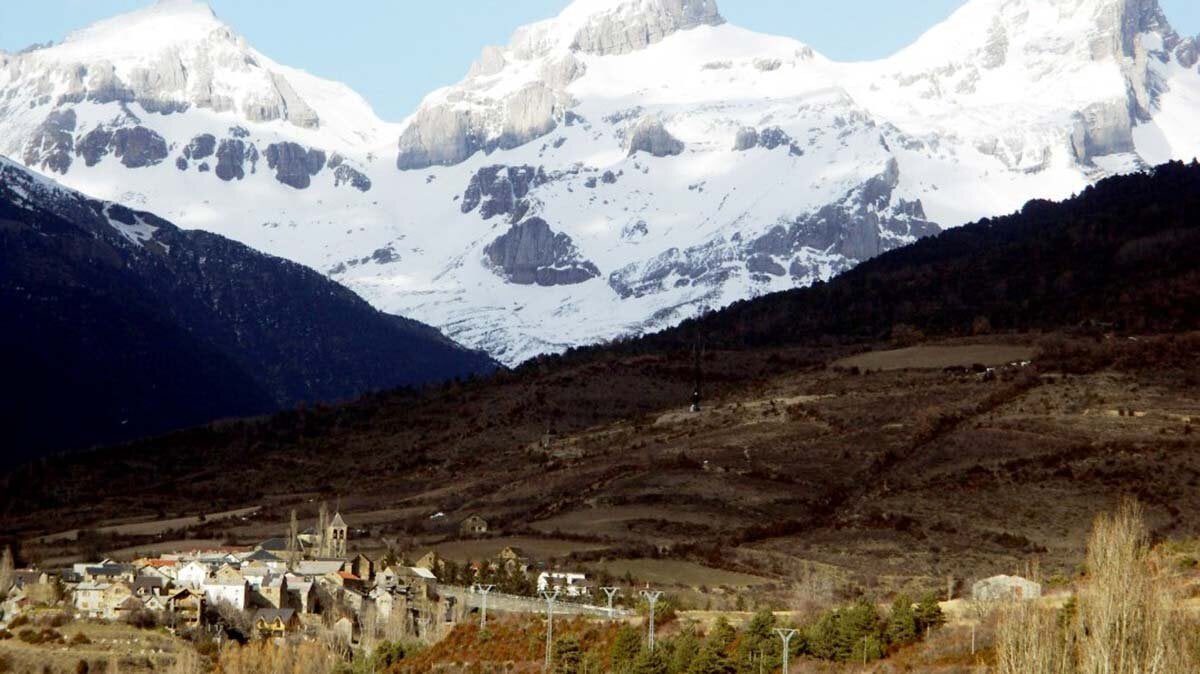
Beyond the well-trodden tourist routes in places as well known as Panticosa, Benasque, Aínsa and Jaca, and away from the bustle of the ski resorts, small historic villages lie hidden, offering visitors the chance to get lost and discover their many charms.
The Pyrenees of Huesca are full of these hidden corners: villages that remain untouched by mass tourism and have preserved their charm. Here, you will find no crowds or souvenir shops, only cobbled streets, traditional architecture and breathtaking landscapes. They are the smallest villages, the ones left off the main tourist routes, offering a unique experience: the true spirit of the Pyrenees.
If you are looking to escape the bustle and discover the most authentic side of the Aragonese Pyrenees, Huesca offers hidden corners that reflect tranquility and natural beauty. These villages preserve an authentic essence that allows visitors to disconnect from their routines and immerse themselves in a unique natural setting.
AÍSA
The picturesque village of Aísa is one of the hidden gems of the Pyrenees of Huesca. With traditional architecture and houses featuring slate roofs, chimneys and stone facades, getting lost in the historic center of this village of 326 inhabitants (INE 2025) is one of the best things to do in Aísa.
This picturesque village is one of the hidden gems of the Pyrenees of Huesca. Photo: Aísa Town Council
In addition, the village is known for its landscapes, ideal for hiking enthusiasts, with trails that take travelers through impressive forests and along streams in one of the least-known valleys of the Aragonese Pyrenees.
One of the village’s main monuments is the parish church of La Asunción, an 18th-century temple notable for its collection of Baroque altarpieces and its high altar.
JAVIERREGAY
Javierregay is another village hidden in the Aragonese Pyrenees, a place where time seems to have stood still. With a very small population of around 98 inhabitants, according to the INE in 2023, this little village is an ideal place to disconnect and enjoy the tranquility that only a secluded location can offer.
Along the streets of this village, which belongs to Puente de la Reina de Jaca, visitors can admire traditional stone houses. Some have been restored, while others retain the essence of times gone by. Its natural surroundings are its main attraction, with mountain views and the green landscape surrounding the village, as well as several hiking routes. Javierregay is undoubtedly the perfect place for anyone seeking the essence of the Pyrenees, with its authenticity intact.
Javierregay is another village hidden in the Aragonese Pyrenees. Photo: Puente de la Reina Town Council
One of its hidden gems is the parish church of San Sebastián, an 18th-century building that replaced a Gothic temple. The church contains artworks such as the main altarpiece, dedicated to the Adoration of the Magi, by sculptor Jorge Erigert.
BAGÜESTE
Bagüeste is located in the Sobrarbe region, within the municipality of La Fueva. It is an uninhabited village accessible only on foot via a track or hiking route from nearby Tierrantona or from El Pino Pass.
The village has been completely depopulated for decades, but still preserves the remains of stone houses, barns, a church and cobbled streets. In addition to the silence and solitude of the place, it is a natural viewpoint overlooking Peña Montañesa, Cotiella and the La Fueva valley.
It lies outside the traditional tourist routes, making it a paradise for those seeking authentic places without crowds.
AZNÁNIGO
Anzánigo is one of those villages that, despite being close to the most popular tourist destinations in the Pyrenees of Huesca, remains a hidden corner for many. Located on the banks of the Gállego River, this village of 26 inhabitants (INE 2021) belongs to the current municipality of Caldearenas.
Anzánigo is a hidden corner for many. Photo: Caldearenas Town Council
One of its greatest attractions is the medieval bridge. Built of stone with five semicircular arches, it is one of the best-preserved in Aragon and is more than 100 meters long. As you wander through the village, you will come across the 18th-century parish church of Santa Águeda, as well as the hermitage of the Virgen de Izarbe, a must-see located on the outskirts of the village.
BELSUÉ
In the heart of the Pyrenees, Belsué is a small village that has managed to preserve its authenticity over the years. Set on a hillside and surrounded by forests and mountains, Belsué offers visitors a place to relax and disconnect. The village is known for its traditional local architecture, with stone houses following the style of the old Pyrenean villages.
This village is known for its traditional local architecture. Photo: Hoya de Huesca Tourism
Among its heritage landmarks is the Church of San Martín, an 11th-century Romanesque temple declared an Asset of Cultural Interest. It stands in the upper part of the village and has a single nave with a barrel vault, a rectangular apse and a bell tower. Its interior preserves Gothic murals depicting the Coronation of the Virgin.
Nearby is the La Piatra dolmen, also known as the Gargantal dolmen, a megalithic monument dating from the 3rd millennium BC. It is located on a mountain pass between the Sabuco ravine and the Flumen River and forms part of the megalithic complex of the Sierra de Guara.
HOSPITAL DE TELLA
This small village, with a rich history linked to medicine and tradition, is located in a unique natural setting between the Posets-Maladeta Natural Park and Ordesa National Park, at the confluence of the Cinca and Yaga rivers. It lies on the banks of the Cinca River between the towns of Escalona and Lafortunada, and stands out for its natural surroundings and historic heritage.
Hospital de Tella is famous for its medieval hospital. Photo: Tourism of Aragon
Hospital de Tella is famous for its medieval hospital, which once welcomed pilgrims and the sick and is now a ruin that allows visitors to immerse themselves in the past. It is also a starting point for several hiking routes that explore the beauty of the Aragonese Pyrenees. One recommended route leads to the hermitage of San Superio, passing through the abandoned village of Santa Justa. This trail offers panoramic views of the Cinca valley and Peña Montañesa.


