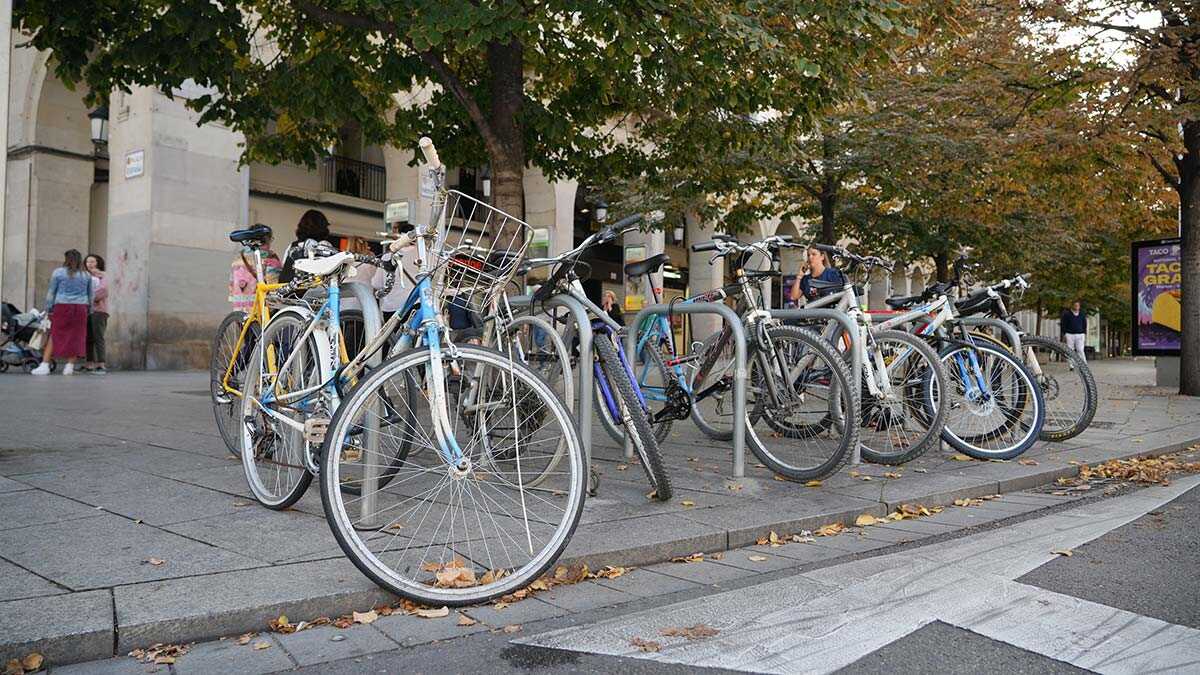
The changes affect both those who use bicycles as a means of transport and drivers who share the road with them. The Guardia Civil explains that the aim is to strengthen safety and reduce risky situations so everyone can get home without incident.
HELMETS MANDATORY ON INTERURBAN ROADS
One of the main changes affects people who ride bicycles on interurban roads. From October, all cyclists will have to wear a helmet, with no exceptions of the kind that existed until now. The Guardia Civil therefore reminds people that head protection will be mandatory when riding on the road, regardless of the cyclist's specific circumstances.
DELIVERY RIDERS MUST ALWAYS WEAR A HELMET AND REFLECTIVE VEST
Delivery workers who use bicycles will also have to comply with specific requirements. Throughout their professional activity, riders must wear a helmet and reflective vest. The measure aims to increase their visibility and protection while they work, especially when travelling through areas with traffic.
OVERTAKING A CYCLIST: 20 KM/H LOWER
Drivers will have to pay particular attention when overtaking a bicycle. On the road, they will have to reduce their speed by at least 20 kilometres per hour below the road's maximum speed limit, as well as maintaining a lateral distance of at least 1.5 metres. For example, if the road's speed limit is 90 kilometres per hour, the vehicle must reduce its speed to at least 70 kilometres per hour before carrying out the manoeuvre.
IF THERE ARE TWO LANES, DRIVERS MUST MOVE COMPLETELY INTO THE OTHER LANE
The overtaking manoeuvre also changes when the road has more than one lane in each direction. In that case, the vehicle must move completely into the left-hand lane to overtake the cyclist, while also maintaining a safe lateral distance. The Guardia Civil also insists that it is not enough simply to pass alongside the bicycle: the overtaking manoeuvre must be carried out in a way that does not create a dangerous situation.
IN CITIES, BICYCLES USE THE CENTRE OF THE LANE
There will also be an important change on urban roads. Bicycles will preferably travel in the centre of the lane, a position intended to make them more visible to other road users. As a result, drivers will have to adapt their driving to the presence of the bicycle and avoid assuming that the cyclist must necessarily keep to the right-hand edge of the road.
FIVE METRES' DISTANCE WHEN FOLLOWING A BICYCLE
Another rule to bear in mind in cities affects vehicles travelling behind a bicycle. They will have to maintain a minimum distance of five metres from the cyclist in front of them. The Guardia Civil itself reminds drivers that it may also be necessary to anticipate a bicycle's movements and leave enough room to react to any unexpected event.


