
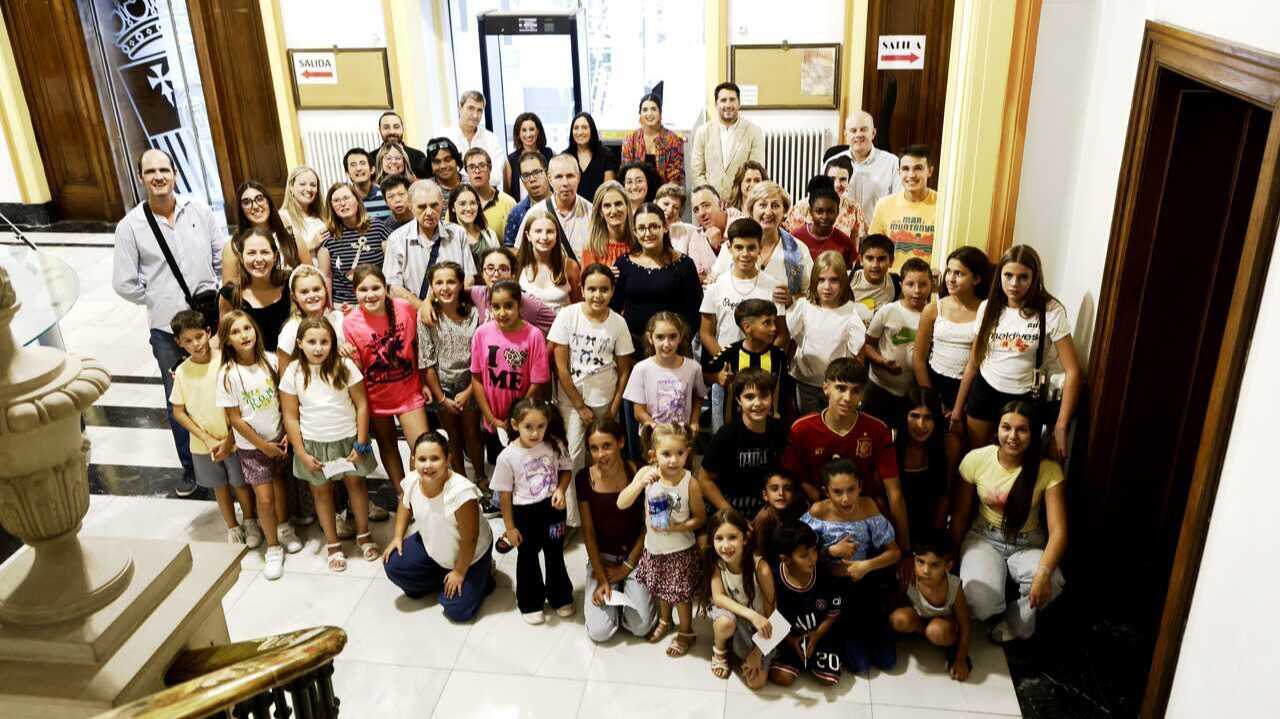
The aim of the competition is to highlight rural areas and their potential through the perspectives of two groups: children and young people, and people with intellectual disabilities. A total of 66 entries were submitted in this edition, a record since the competition was first launched. Five prizes and five special mentions were awarded across the two categories: story and video.
“These awards are the best way to strengthen the identity and sense of belonging of the children and young people in our villages. Childhood is a hugely important stage in every person’s life. Making them aware that, no matter how small their village is, it offers quality of life and opportunities to work and live is a way of fostering their roots and showing them that their future may be linked to their municipality,” said Cristina Palacín, the Zaragoza Provincial Council’s delegate for its rural areas.
For his part, Vicente Pinilla, director of the DPZ Chair on Depopulation and Creativity, stressed that the competition aims to “enable schoolchildren and people with intellectual disabilities to show their rural pride and, in an engaging and interesting way, highlight these ties that are so important for living in rural areas”.
The event was hosted by journalist David Marqueta and concluded with a performance by David Angulo, who sang “Soy de Oregón”.
THE PRIZES AND CATEGORIES
The prizes consisted of trophies and cash awards ranging from 250 to 500 euros, depending on the category. The money will be used to purchase books, school or recreational materials for the centers attended by the participants, or for cultural activities and uses by their members, always meeting the formal requirements specified on their invoices. All prizes included an original trophy for the authors.
The story category included children’s, youth and people with disabilities sections, while the video category included a children’s and youth section and one for people with disabilities.
WINNERS
In the Children’s Story category (ages 8-12), the prize went to Un viaje al pasado, by Genoveva Adedoja Sipaco, a student at CEIP Monsalud in Zaragoza. The special mention went to ¡Qué bello fue vivir con mi abuelo!, by Paula Clavería Rodríguez, from CRA Las Viñas in Fuendejalón.
In the Youth Story category (ages 13-18), the winner was Lumpiaque, by Diego Cuartero Artigas, from IES Rodanas in Épila. The special mention went to Qué bello es vivir en mi pueblo, by Carlota Cardiel Yus, from Colegio La Salle Franciscanas Gran Vía in Zaragoza.
In the Story category for people with intellectual disabilities, first prize went to Ricla, by Sara Isabella Ramírez Arcos, from Colegio La Purísima para Niños Sordos in Zaragoza. The special mention went to Pueblos pequeños, casas baratas, by Montserrat Eugenia Calvo Aldana, from CRAP Calatayud Fundación Rey Ardid.
In the Children’s and Youth Video category (ages 8-18), the winner was ¡Qué bello es vivir en mi pueblo! Herrera de los Navarros, 2026, directed by Charo Guillén, from CEIP San Jorge in Herrera de los Navarros. The special mention went to ¡Qué bello es vivir en Salvatierra de Esca!, directed by Raúl López, from CRA Río Aragón in Salvatierra de Esca.
Finally, in the Video category for people with intellectual disabilities, the prize went to ¡¡¡Qué bello es vivir en Alborge!!!, directed by Náyade Vázquez, from the Santo Ángel ATADES Occupational Center in Zaragoza. The special mention went to Ejea, no hay un lugar mejor, directed by Rosa Cris Guillén Pardo, from Fundación Agustín Serrate in Ejea de los Caballeros.



