
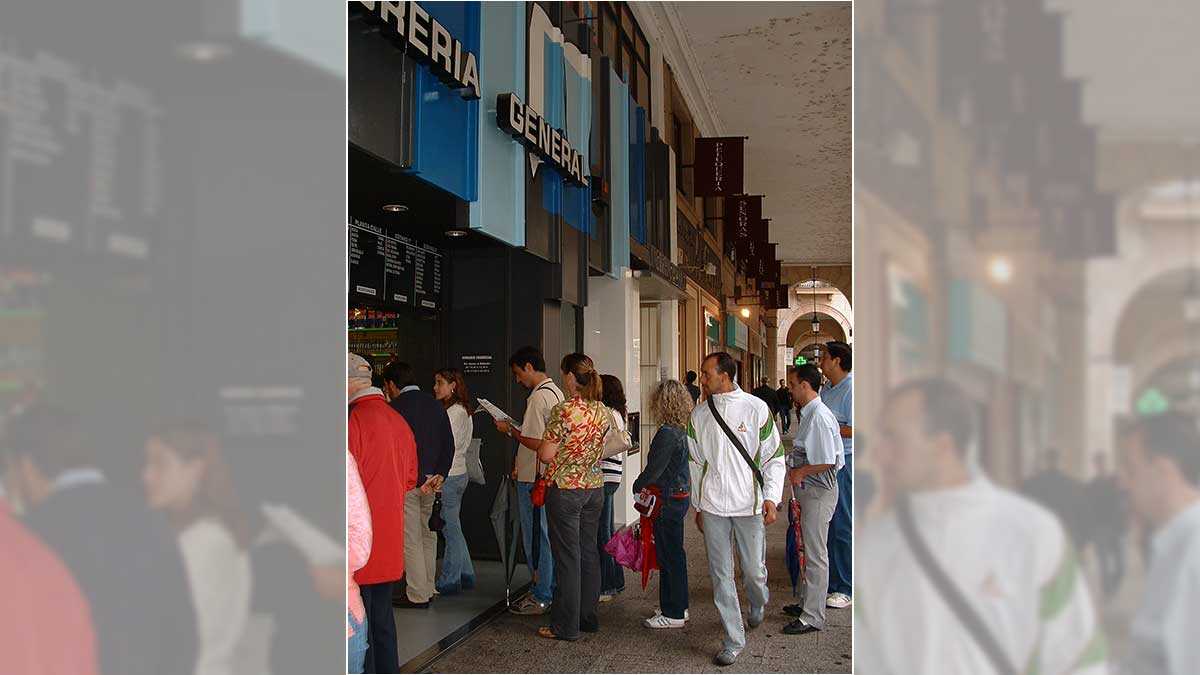
Joaquín Casanova, then a member and former president of the Zaragoza Booksellers’ Association, said the system was particularly harming the sector. “Five bookshops have already closed, and there will be more, especially in rural areas. We need solutions or a change to the law,” he warned.
At the time, Aragon and Castilla-La Mancha were the only regions applying free textbooks to all years of secondary education through a loan scheme. Students received the books at the beginning of the school year and had to return them at the end so they could be used by other students later. The books were replaced every four years, depending on requirements.
Booksellers pointed out that the savings for families had a direct impact on their businesses. Casanova also complained about delays in payments for books supplied to schools and said that 50% of revenue was carried over to the following financial year, while publishers were demanding payment in October.
The association proposed, as an alternative, providing aid for families on lower incomes to buy the books and introducing tax deductions for those with greater financial resources. The group also criticized the loss of direct contact between parents and booksellers and questioned the condition of some copies after they had been used by several students.
Five closures in Zaragoza summed up the concerns of a sector calling for changes to the free school textbook model. That is how Aragón Digital reported it 20 years ago, when booksellers warned about the impact the loan system was having on their businesses.



