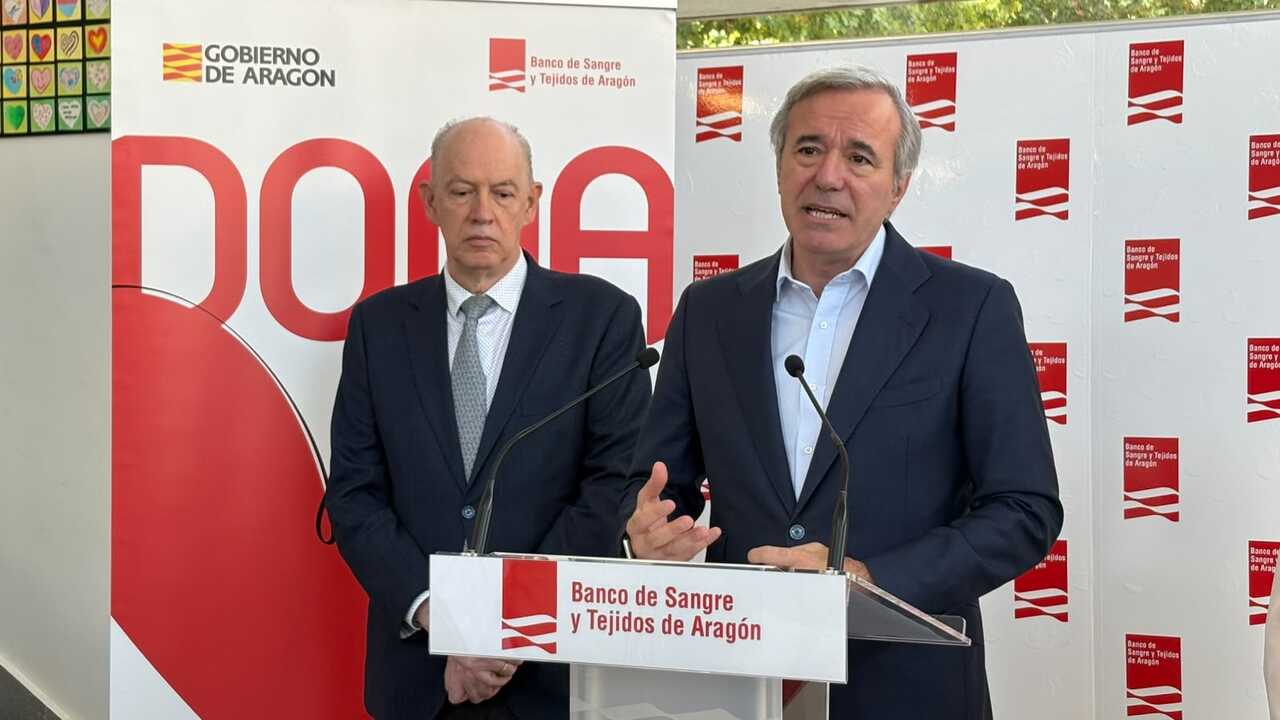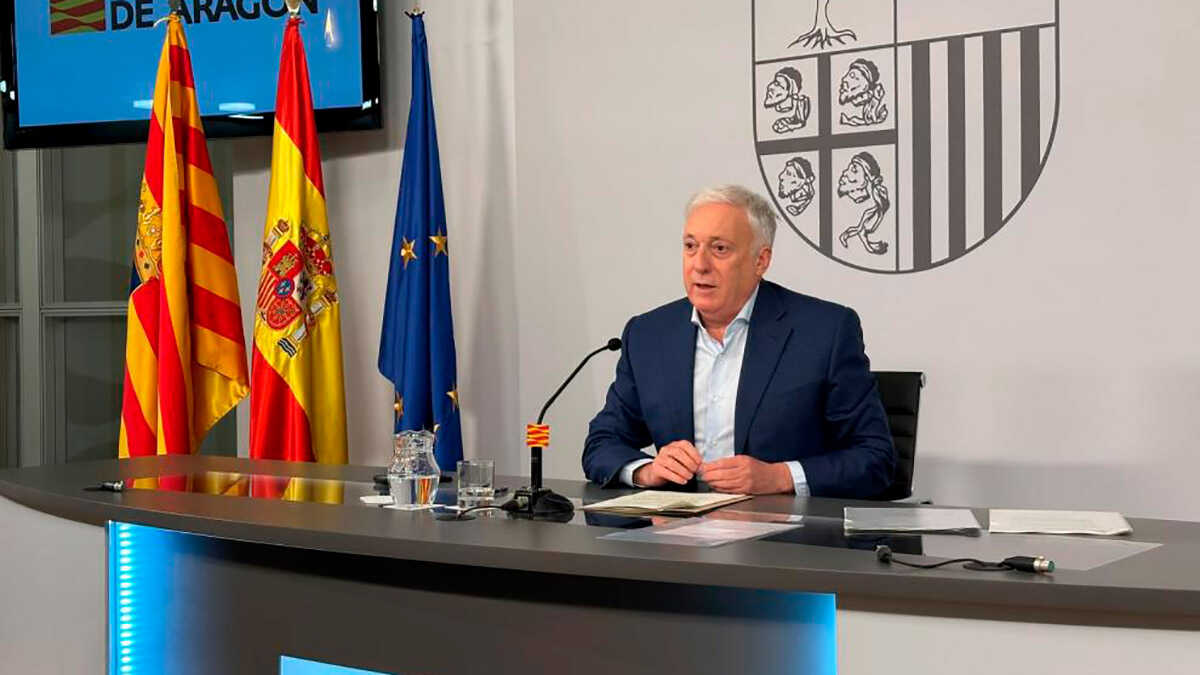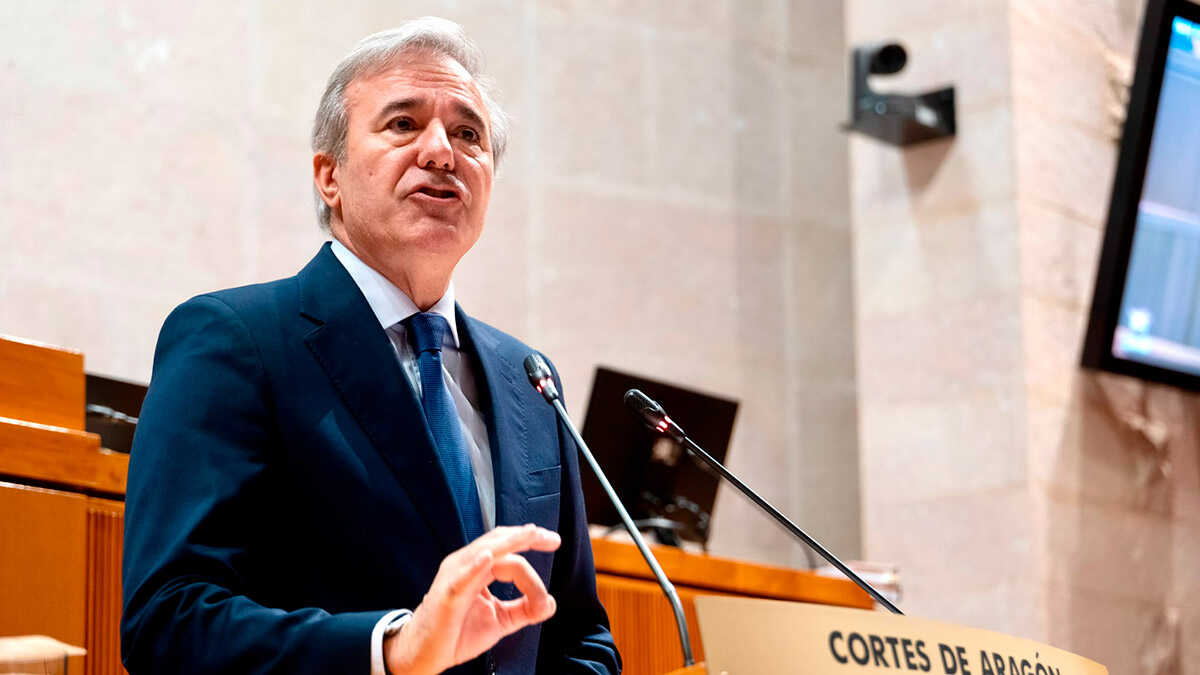
Aragón Government President Jorge Azcón announced this during a plenary session of the Cortes of Aragón. He recalled the launch of the Aragón Más Vivienda Plan, funded with €400 million, and highlighted that Aragón is currently the leading autonomous community in public housing and third in protected housing.
The regional government has also proposed changes to the protection status of protected housing. Properties promoted by the Government of Aragón will retain this classification permanently, while those developed through private initiatives will be protected for 75 years, compared with the current 30 years. The Government of Aragón will also amend the Aragón Urban Planning Law to speed up planning procedures.
STATE HOUSING POLICY
Jorge Azcón contrasted all these measures promoted by the DGA with state housing policy. He denounced that since Pedro Sánchez came to power, buying a home has become 74% more expensive, rents have risen by 45% and the housing supply has fallen by 44%, while 72,000 families have been evicted, 90 a day. "This is his achievement," he said.
The regional government leader said he understood the frustration of young people and the concerns of tenants, but also understood small landlords "who are reluctant to rent out their homes due to a lack of guarantees and legal certainty." "The only housing projects they have promoted in eight years in government have been the Sol encampment or the shantytowns of Ceuta," he concluded.
In response to this speech, the opposition accused him of spending more time criticizing Pedro Sánchez than talking about housing in Aragón. PSOE spokesperson Pilar Alegría illustrated the problem by noting that people in Aragón earn an average of €1,500-1,600, while rents range from €900 to €1,000.
CHA leader Jorge Pueyo criticized the fact that 50% of homes are being bought "for cash," saying this is impossible unless "you are a vulture fund." Meanwhile, Teruel Existe president Tomás Guitarte questioned housing policy in rural areas for failing to support county capitals, while Marta Abengochea (IU) called for a larger public housing stock and housing alternatives in the event of evictions.