Twenty years ago, Aragón Digital was already reporting the stories shaping current affairs in Aragon. On October 3, 2006, the Congress of Deputies approved consideration of the reform of Aragón’s Statute of Autonomy with 283 votes in favor and ten abstentions, allowing its parliamentary process to continue.
The proposal arrived in Madrid backed by broad consensus among Aragón’s political forces. During the debate, then Deputy Prime Minister María Teresa Fernández de la Vega congratulated the people of Aragon and their representatives on the initiative and expressed her confidence that the agreement reached in Aragon could also be carried over to the General Courts.
The debate also brought some of the issues generating disagreement to the table. ERC questioned, among other points, the reserve of 6,550 cubic hectometers of water for the Community’s exclusive use and the language provisions, while the PNV raised objections to issues such as the request for an autonomous police force and an Aragonese tax agency.
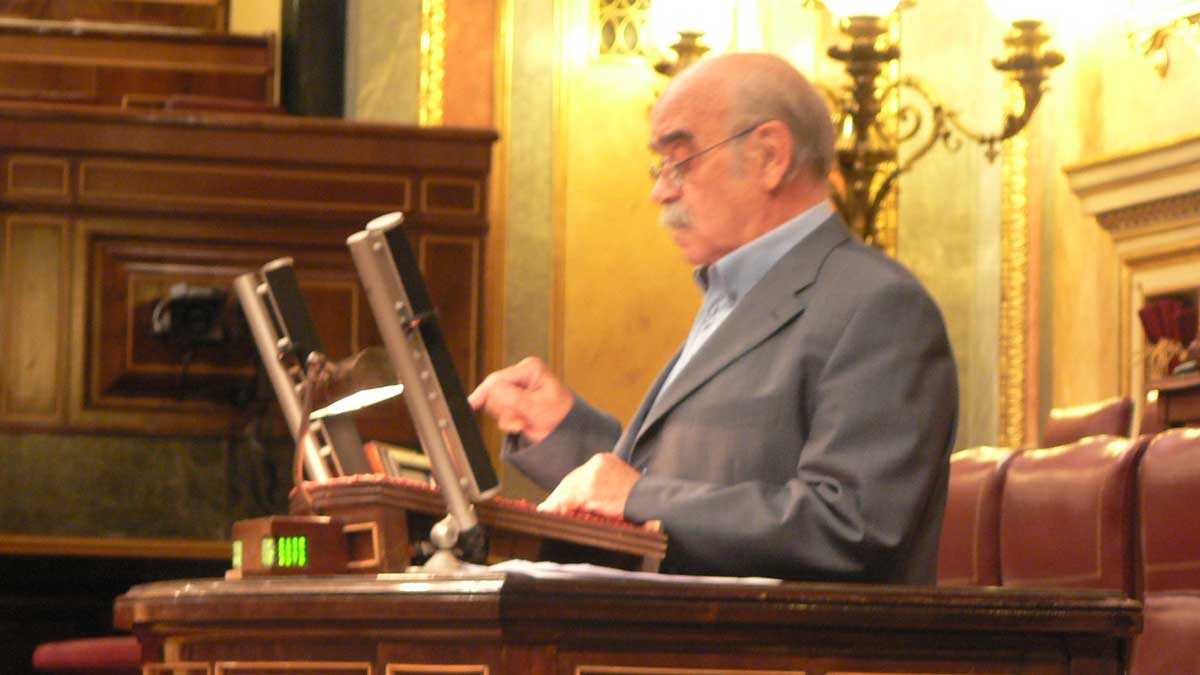
José Antonio Labordeta, then a CHA deputy and a member of the Mixed Group, announced that he would abstain and called for the inclusion of twelve powers that his party considered necessary. Izquierda Unida, for its part, defended its support for the text and highlighted the value of the consensus reached.
After the speeches, then President of Aragon Marcelino Iglesias thanked both those who supported the proposal and those who took critical positions, and expressed his hope of broadening the consensus during the process. José Ángel Biel, then president of the PAR, argued that Aragon had done "its homework" and called for greater political weight for the Community.
The 283 votes in favor and ten abstentions allowed the reform of Aragón’s Statute to move forward in Congress and enter the amendment stage. This is how Aragón Digital reported it 20 years ago, in the original article on consideration of the statutory reform.