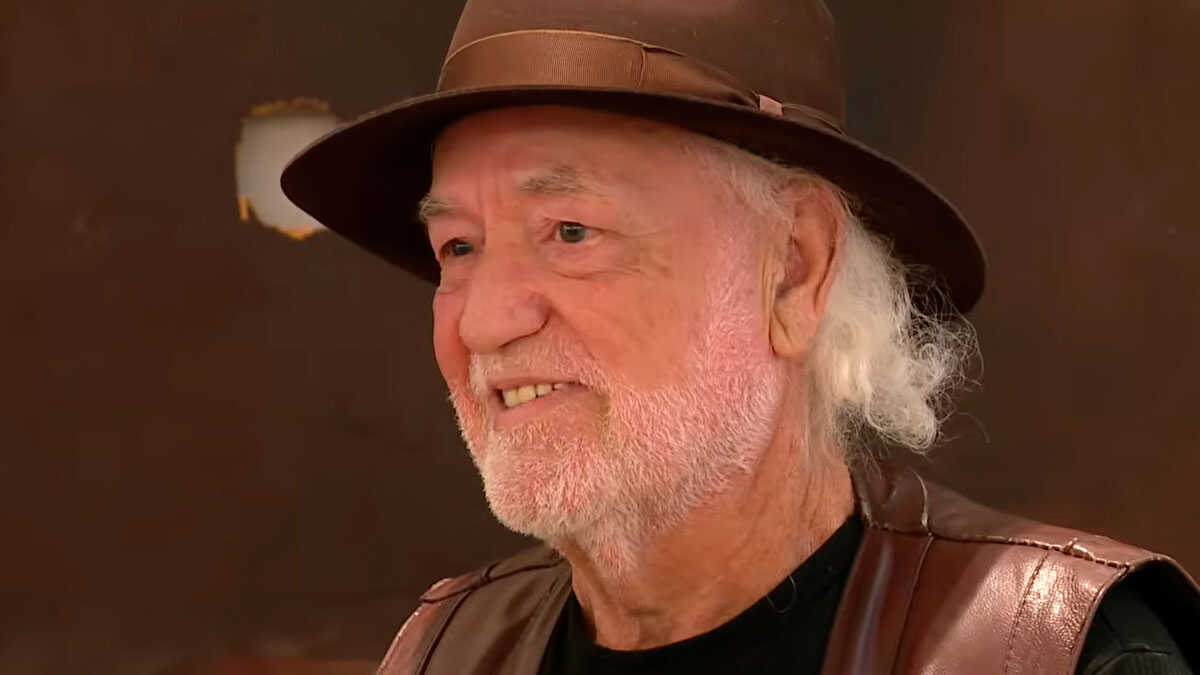
The ceremony took place at the Moncloa Complex in Madrid, where Sánchez presided over the presentation of the distinction to the Huesca-born filmmaker. At 73, Monesma remains a leading figure in the dissemination of Spain's ethnographic heritage and maintains a strong presence on social media, where his documentaries continue to reach new generations.
Eugenio Monesma's story is closely linked to the memory of rural communities. For decades, he has travelled through towns and villages in Aragon and across the rest of Spain with his camera to document how food was made, how artisans worked and how tasks that are now barely preserved were carried out.
Over the course of his career, the filmmaker has compiled more than 3,000 documentaries, creating one of the largest audiovisual archives devoted to Spain's traditional culture. His work has not only helped disseminate these practices, but also preserve the knowledge of the people who kept them alive.
"I am the son of working-class people. My father was a carpenter and my mother was a cleaner. That appreciation for the people who came before us and who were precisely the ones who supported families of my generation helped me decide to recover those traditions and customs that were being lost in villages," Eugenio Monesma said. For his part, Prime Minister Pedro Sánchez thanked him for "showing the richness of our villages and preventing a part of our history from falling into oblivion."
A NEW HONOR FOR HIS CAREER
The decoration presented on Tuesday adds to other honors Monesma has received for his contribution to documentary filmmaking and the preservation of traditions. They include the Simón de Honor, awarded in 2022 by the Aragonese Film Academy.
With the rank of Commander with Number of the Order of Isabella the Catholic, his career has now received a new institutional distinction. It honors work that has achieved something unusual: turning the memory of the oldest trades into content capable of connecting with millions of people in the 21st century.