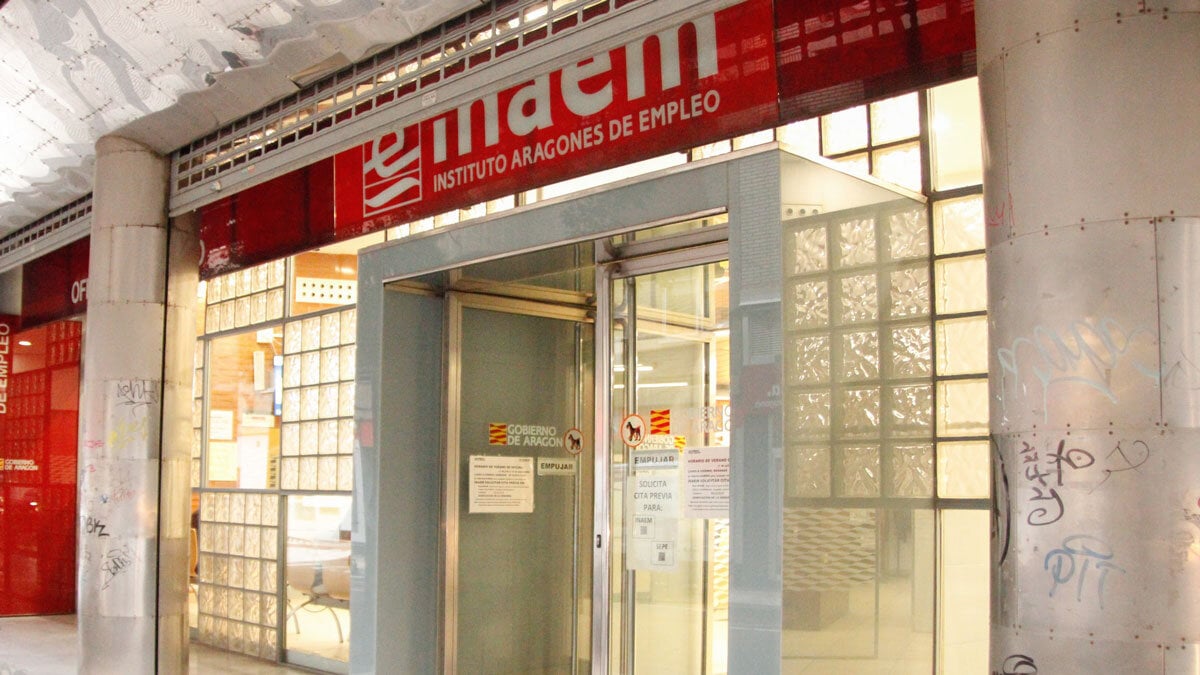
The organization considers the figures to be “starting to become worrying” after five consecutive months of rising unemployment and points out that Aragon has recorded the fourth-highest increase in unemployment among Spain’s autonomous communities. The monthly rise affected all three provinces: Zaragoza added 984 unemployed people; Huesca, 268; and Teruel, 104. Women account for 60.42% of the total, with 31,235 unemployed women, compared with 20,465 men.
MORE RESOURCES FOR CAREER GUIDANCE
The union is focusing on long-term unemployment, which accounts for 41.55% of the total, and is calling for personalized integration pathways, sufficient technical and human resources, and an evaluation of the results of employment policies. In this regard, it is asking for the 2027 regional budgets to include funding that would allow Inaem to strengthen career guidance and improve the employability of unemployed people.
In terms of hiring, Aragon recorded 47,163 contracts in October, of which 16,078 were permanent, representing 34.09%. CCOO highlights that the temporary employment rate remains at 12.8%, compared with 27.1% before the labor reform, and that permanent full-time contracts account for 18% of those signed. At the same time, Social Security enrollment reached 655,143 people, 3,667 more than in September and 22,581 more than in October 2025.
PAY RISES AND MEASURES TO TACKLE INSECURITY
CCOO is also calling for the immediate resumption of social dialogue to update the statutory minimum wage and advance negotiations on the sixth Agreement for Employment and Collective Bargaining (AENC). The organization argues that wage increases must enable workers to gain purchasing power and include guarantee clauses in collective agreements. According to the figures cited in its statement, inflation stood at 4.9% in October, above the 3.1% increase applied to the statutory minimum wage at the beginning of the year.
The union links higher wages to the difficulties of accessing housing, particularly among young people, and argues that economic growth should translate into better living conditions. It also proposes strengthening safeguards against dismissal and reviewing part-time employment to limit it to justified circumstances, guarantee predictable working hours and facilitate access to full-time employment.