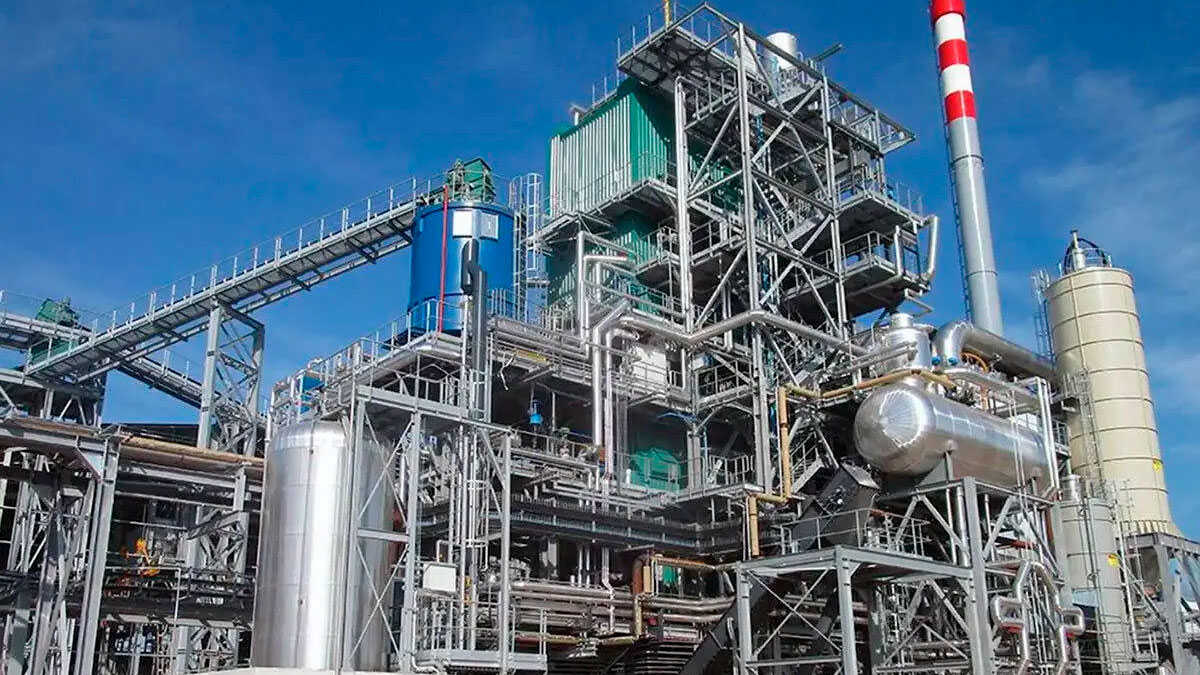
After Wednesday’s Council of Government meeting, Vaquero addressed the controversy surrounding some of these projects and the opposition they have encountered in municipalities such as Calamocha and Alfambra. She maintains that approval from town halls has always been “requested” before declaring them projects of regional interest.
The departments of Economy and the Environment are working together on regulations that would streamline processing by Inaga, which has recently received a higher number of applications. However, the vice president clarified that projects submitted in the future will have to comply with these rules, while plants that have already been approved will continue through the process, amid calls from several parties for a moratorium.
PSOE CALLS FOR REGULATIONS AS SOON AS POSSIBLE
This Thursday, the regional parliament will debate a PSOE non-legislative proposal demanding that the regional government “immediately regulate biogas and biomethane plants in response to the proliferation of projects being processed by INAGA, which are generating social concern wherever initiatives of this kind are launched.”
Its member of the regional parliament, Carlos Ros, said that “other autonomous communities are already processing more restrictive plans requiring a minimum distance of two kilometers from residential areas.” He also said that the DGA “must support them in regulating and organizing these biogas plants,” as several municipalities in Aragon are approving ordinances or amending their master plans “to at least limit the location of these plants.”
TERUEL EXISTE CALLS FOR A MORATORIUM
Meanwhile, Aragón-Teruel Existe is calling for a moratorium on biogas and biomethane plants until the DGA regulates their deployment. Aragon currently has more than 75 projects, making it the autonomous community with the highest number, according to its leader Tomás Guitarte, who warned that their development could follow “only the logic of speculation, greed or corporate profit.”
Guitarte maintains that his party is not opposed to biogas, but is calling for planning rules requiring a minimum distance of 6 to 8 kilometers from populated areas and stipulating that the waste they receive must come from the “local area.” He also defended a decentralized model based on small plants rather than large-scale facilities.


