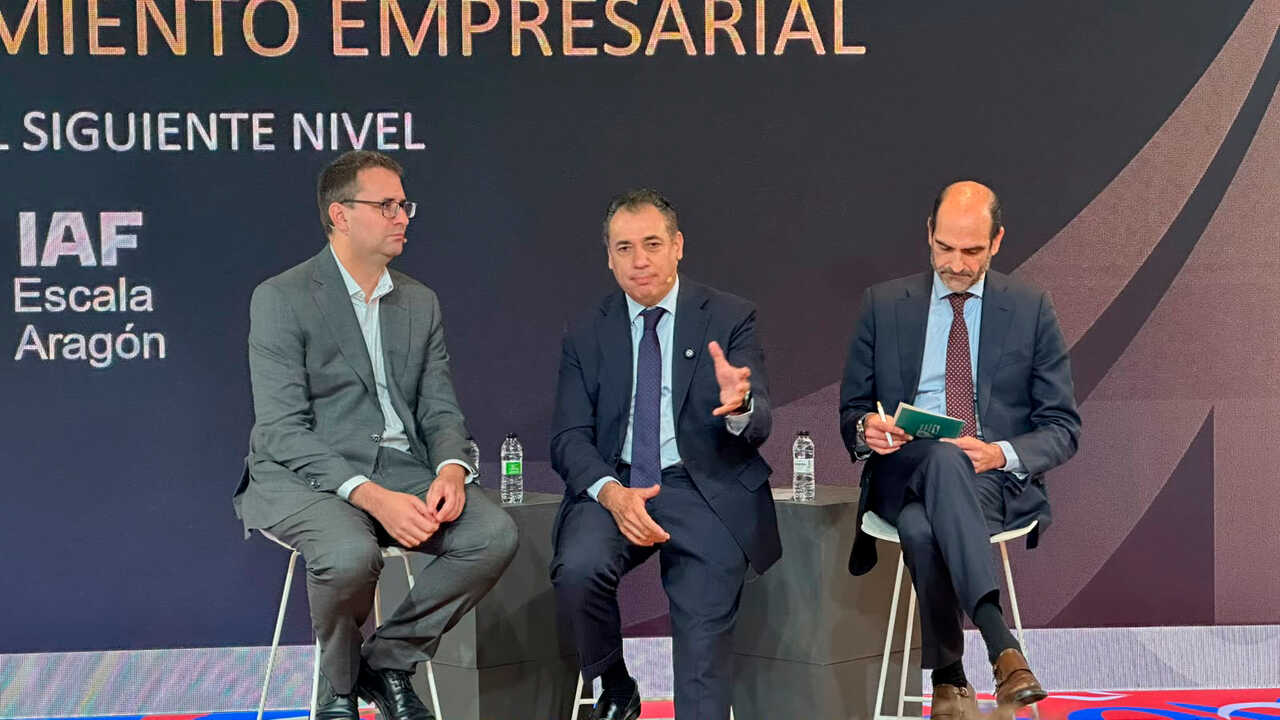
Tesier believes the proximity of the election makes it advisable to postpone the decision until it is known who will assume government responsibilities. “This is a measure that should wait until the 29th is over,” he said. In his view, those elected should make the decisions that will shape the future.
THE IMPACT ON SMALL BUSINESSES
The businessman explained that successive increases in the statutory minimum wage do not affect the entire productive sector equally. “In most companies, the minimum wage has no impact because companies are paying above the minimum wage,” he said. However, he warned that small businesses and microenterprises have less room to absorb these increases and called for their consequences to be studied before they are approved.
As an example, he mentioned businesses that deliver bread, fresh food and basic necessities to villages with few inhabitants. As he explained, many consist of the owner and one or two employees and can barely balance their books because of bureaucracy and the tax burden. In these circumstances, he warned that an increase without proper analysis could jeopardize “their own sustainability and viability.”
RESTORING SOCIAL DIALOGUE
Tesier argued that the rising cost of living should be reflected in workers’ pay. “If there are increases in the cost of living, that must be reflected in wages,” he said. In this regard, he recalled that employers’ organizations take part in negotiating sector-wide collective agreements to recognize these increases and their effects on purchasing power.
To address upcoming decisions, he called for “common sense, prudence and responsibility” and a return to social dialogue after November 29. Tesier believes that this understanding has deteriorated in recent years and that business representation has been particularly affected. He therefore called for a return to joint negotiations between trade unions, employers and the government, which, he argued, have historically helped build agreements in Spain.