The Directorate-General for Traffic is reinforcing occupational road safety through a reform focused especially on vulnerable road users. The changes include a permanent obligation for certain two-wheeled workers to wear helmets and reflective vests, as well as the removal of several exemptions that allowed some professional drivers to travel without wearing seat belts.
HELMETS AND REFLECTIVE VESTS MANDATORY FOR RIDERS
One of the changes directly affects people who use bicycles, personal mobility vehicles, mopeds or motorcycles for professional activities. From now on, they will have to wear a helmet and reflective vest throughout their working activity, regardless of whether they are travelling during the day or at night.
The measure particularly affects so-called riders and delivery workers who travel around cities by bicycle, motorcycle or electric scooter. Until now, some of these obligations depended on the vehicle, road or visibility conditions, but the reform establishes a specific requirement for professional use: a helmet and reflective garment must be worn at all times while they are working.
SEAT BELTS NOW MANDATORY FOR TAXI DRIVERS AND OTHER PROFESSIONALS
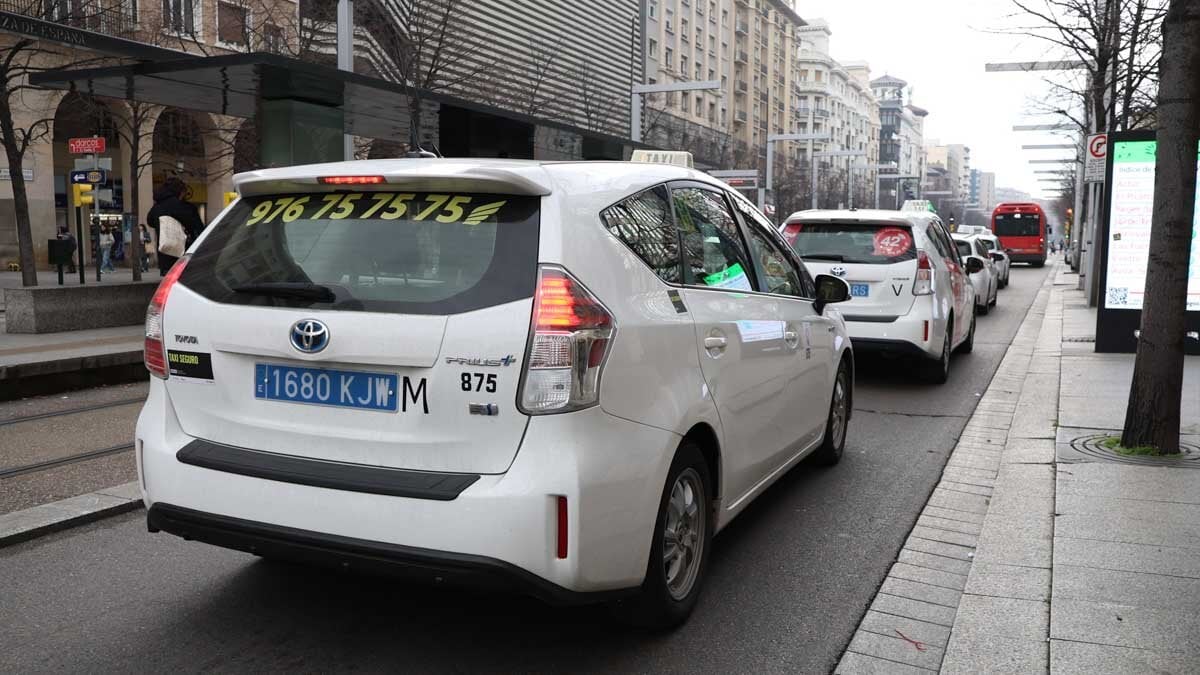
A rule commonly applied to some workers who drive four-wheeled vehicles is also changing. The reform removes certain exemptions from seat belt use and establishes that seat belts must be worn at all times by taxi drivers, goods vehicle drivers and drivers of vehicles used for driving instruction.
This means that taxi drivers will also have to wear seat belts while carrying out their professional activity, as will drivers of delivery or goods vehicles and those driving driving-school vehicles in situations where they were previously covered by certain exemptions. The new regulation seeks to extend the use of this safety system to work-related journeys that involve spending many hours on the road.
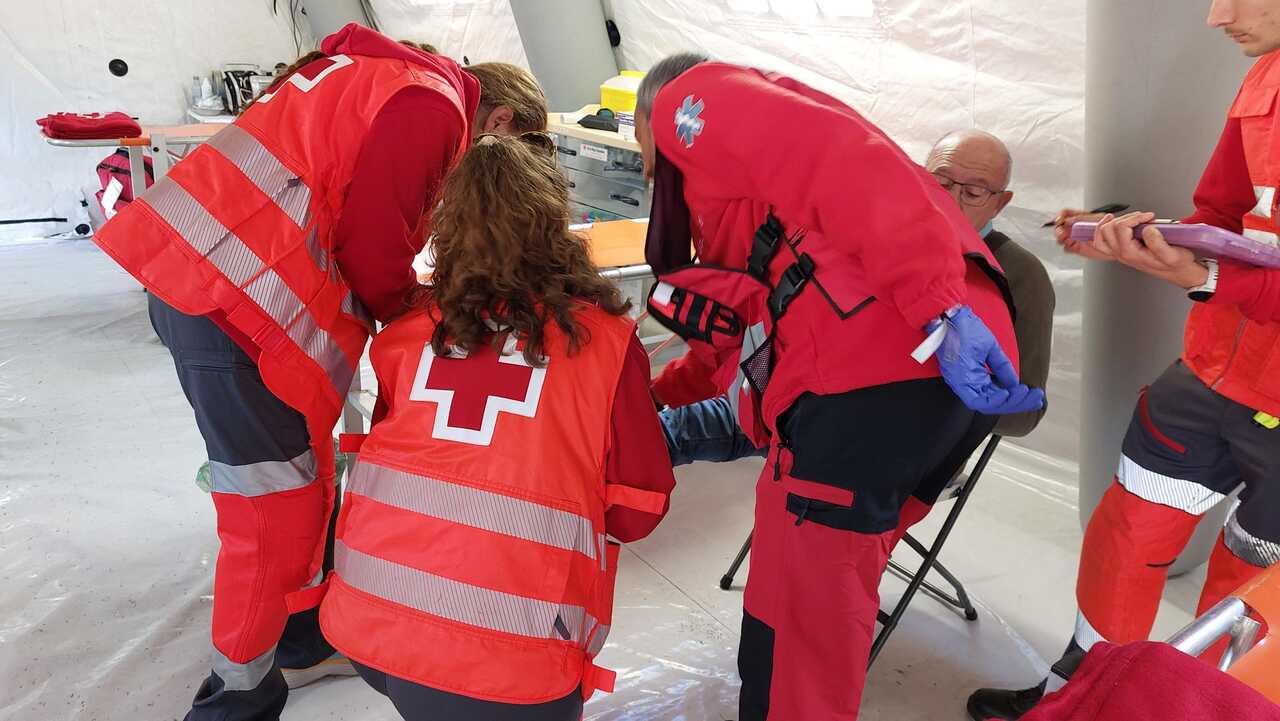
The regulations do maintain one specific exception related to medical ambulances. Ambulance passengers may not have to wear a seat belt when the vehicle is carrying out an emergency service and they are in the patient compartment to provide technical and medical assistance during the journey.
These measures are part of the broad reform of the General Traffic Regulations that comes into force on October 1, 2026, and also introduces new rules for electric scooters, bicycles, motorcycles, overtaking, traffic jams, pedestrians and driving in snow.