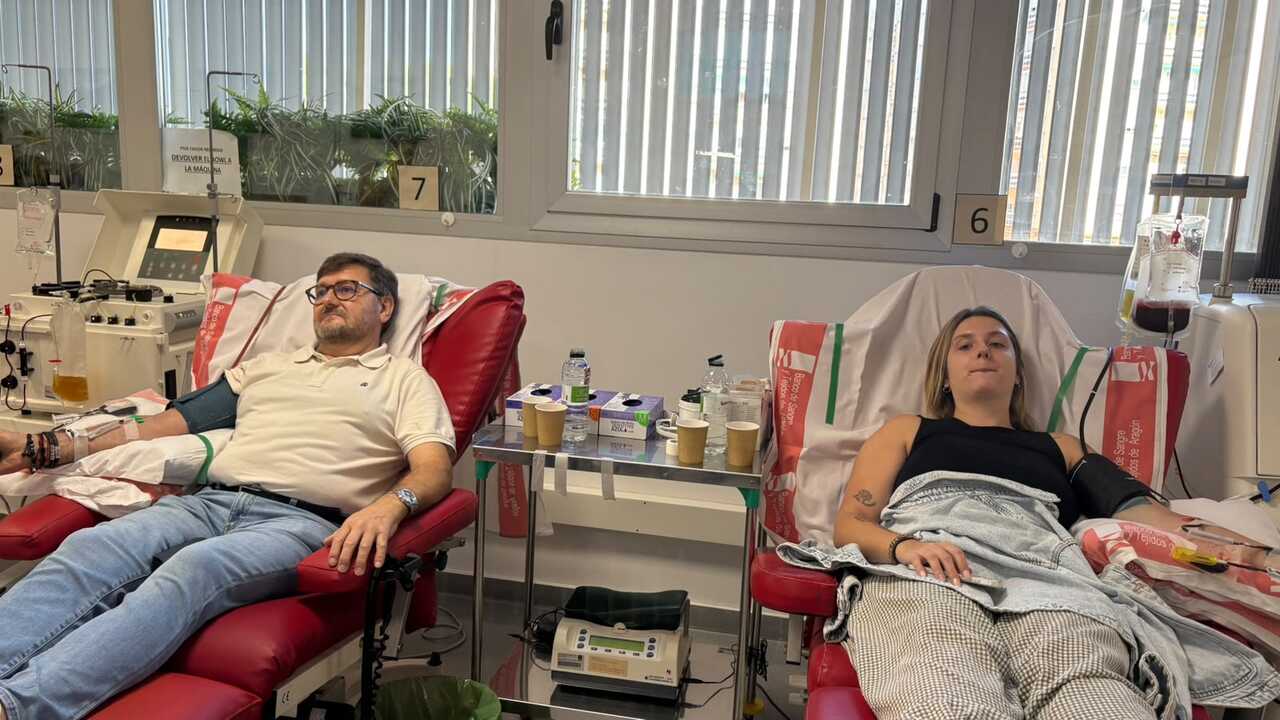
The institution celebrated its 20th anniversary on Tuesday with an event at its facilities in Zaragoza’s Delicias district. Since opening its doors in September 2006, its operations have grown to include a network of around 28,000 blood donors, a figure that allows it to remain self-sufficient but does not eliminate one of its main challenges: encouraging new generations to take up blood donation.
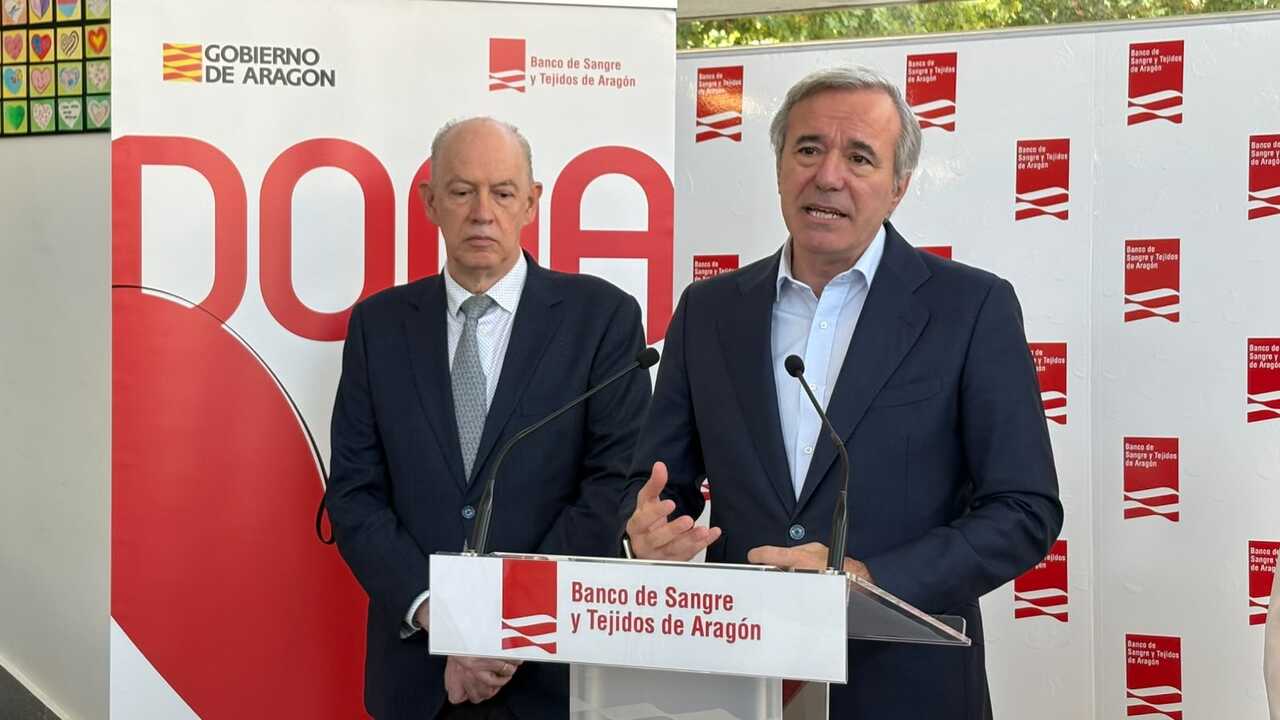
“Blood cannot be manufactured. It depends exclusively on people’s generosity,” said Aragon’s regional health minister, Ángel Sanz Barea, during the celebration. The regional official placed particular emphasis on the need to attract young people and highlighted that behind the figures from these two decades are “lives saved, treatments that have been made possible and, ultimately, hope for thousands of patients and their families.”
AROUND 200 UNITS OF BLOOD EVERY DAY
The Bank’s operations require constant activity throughout the year. It currently coordinates the collection of around 200 units of blood every day through its headquarters, permanent donation points at several Aragonese hospitals and five mobile units that travel across the region. In 2025 alone, more than 44,000 donations were processed.
The network organizes up to six donation drives a day and operates more than one hundred donation points each month. These drives cover approximately 70% of Aragon’s blood needs. So far in 2026, nearly 30,000 donations have also been collected, half a percentage point more than during the same period last year.
Rosa Plantagenet-Whyte, director of Aragon’s Blood and Tissue Bank, said this response from donors had enabled the region to get through the summer while meeting all hospital needs. Nevertheless, she urged people to continue donating to maintain sufficient reserves throughout the year and guarantee care at healthcare centers.
FROM 300 APHERESIS DONATIONS TO NEARLY 3,000
These two decades have also brought significant changes to the way the Bank operates. The introduction of new traceability systems, procedures and techniques such as apheresis donation has made it possible to make better use of every donation and increase safety for both donors and patients receiving blood components.
The development of this technique reflects the center’s transformation: while around 300 apheresis donations were carried out in 2006, the figure approached 3,000 in 2025. This procedure makes it possible to selectively obtain specific blood components according to existing needs.
Currently, 85 professionals work at the facilities, handling not only the entire blood-related process but also other essential resources for the healthcare system. The center has a tissue bank containing corneas, bones and tendons, among other tissues, as well as a human milk bank.