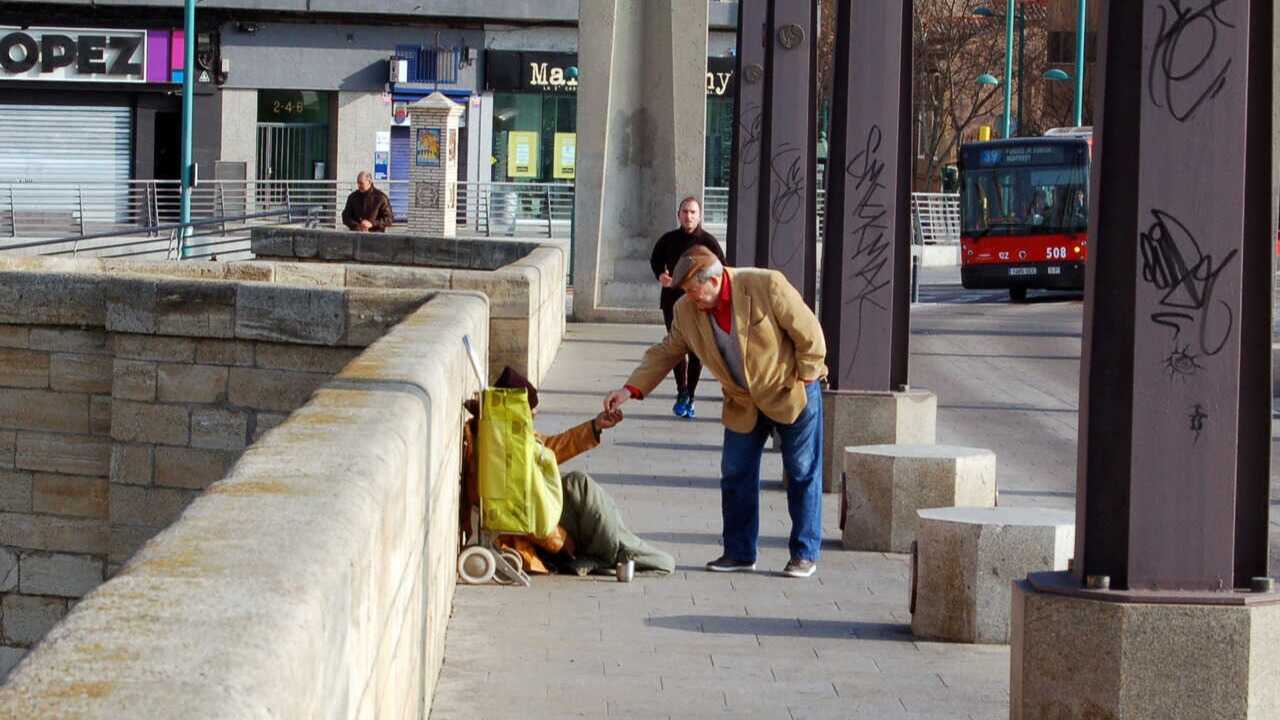
The figure is included in Caritas Aragon’s 2025 Report, published on Monday, which shows that the situations of poverty and exclusion brought to the organization are increasingly linked to structural problems. Among them, the organization particularly highlights housing, the loss of employment-related protection and the irregular administrative status of part of the foreign population living in the region.
Within the Reception and Support program alone, 11,775 people received assistance over the past year. Housing accounts for around half of requests for financial aid, including rent, utility bills and household equipment. Caritas warns that rising prices are forcing numerous families to devote a larger share of their income to housing while leaving other basic needs unmet.
HOUSING AND EMPLOYMENT AMONG THE MAIN PROBLEMS
The organization also warns that improvements in some economic indicators are not reaching the entire population equally. Although the activity rate and unemployment figures improved during 2025, Caritas maintains that this has not necessarily translated into higher-quality jobs. According to the organization, wages, job insecurity and housing costs mean that having a job alone no longer guarantees avoiding social exclusion.
Employment is precisely one of the organization’s main areas of work. Caritas allocated just over 6 million euros to Employment and Social Economy programs, in which 2,690 people took part. Of these, 775 gained access to a job through social and employment inclusion programs, special employment centers and insertion companies.
Another key figure in the report is that nearly half of those assisted were in an irregular administrative situation, a proportion that, according to Caritas, has grown over the past decade. The organization notes that this group faces a particularly high risk of poverty and exclusion and that, in many cases, ends up working in the shadow economy.
The report also places the problem in a broader context. According to data from the latest FOESSA report on Aragon cited by Caritas, around 300,000 people, or 22.9% of the Aragonese population, live in a situation of social exclusion despite the region’s economic growth. Housing, health and employment are among the main factors explaining these situations.
Behind this work are also 1,991 volunteers and 300 employees, who enable Caritas to maintain a presence across much of Aragon and develop its support, employment and assistance programs for vulnerable people.


