At this time of year, the forests of Aragon once again attract numerous mushroom-picking enthusiasts. Rainfall and mild temperatures encourage mushrooms to grow, turning this activity into one of the most eagerly awaited autumn traditions. However, not all mushrooms that grow in the countryside are suitable for consumption, and some can be deadly.
One of the main dangers lies in the difficulty of distinguishing certain poisonous mushrooms from edible ones. Although some species are easily recognized by their striking colors, others look seemingly harmless. For this reason, understanding the risks and avoiding improvised identifications are essential for enjoying a trouble-free day of mushroom foraging.
Of the more than 2,500 mushroom species found in Aragon, some are toxic and can cause fatal poisoning.
THE DANGER OF MISTAKING AN EDIBLE MUSHROOM FOR A POISONOUS ONE
Not all toxic mushrooms have intense colors or features that make them easy to recognize at a glance. In fact, some of the most dangerous can be mistaken for species commonly used in cooking.
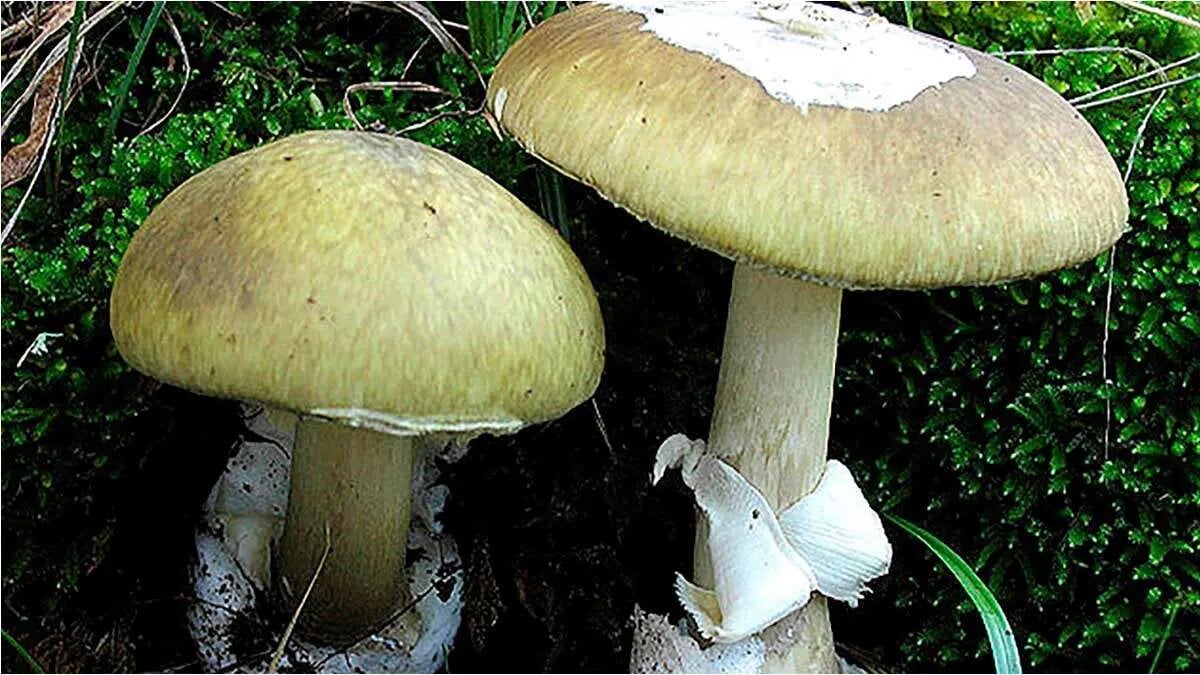
One example is Amanita phalloides, known as the green death cap, one of the mushrooms responsible for the most serious cases of poisoning. Its cap can have greenish, yellowish or even whitish tones, while its gills are white. It contains amatoxins, substances capable of causing severe liver damage and, in the most serious cases, death.
Another particularly dangerous species is Galerina marginata, a small brownish mushroom that usually grows on decaying wood. Its appearance may resemble that of other mushrooms that also grow on tree trunks, but it contains potentially deadly toxins.
Cortinarius orellanus, known as the mountain webcap, is another species of concern. Poisoning can go unnoticed for several days. Its toxins mainly affect the kidneys and can cause severe kidney failure.
Attention should also be paid to the small whitish mushrooms in the Clitocybe rivulosa group, traditionally known as Clitocybe dealbata. They contain muscarine, a substance that can cause intense sweating, salivation, vomiting and heart rhythm disturbances.
More recognizable because of its appearance is Amanita muscaria, the distinctive red mushroom with white spots. Although its toxicity differs from that of the green death cap, consuming it can cause vomiting, confusion and neurological disturbances.
In any case, color, smell or size alone cannot determine whether a mushroom is safe to eat.
MISTAKES TO AVOID BEFORE TAKING MUSHROOMS HOME
One of the most common mistakes among beginner foragers is relying solely on internet photographs or mobile apps to identify species. Although these tools can provide guidance, they do not guarantee reliable identification and should never be used as the only reference when deciding whether a mushroom is edible.
It is also untrue that a mushroom is safe because animals have nibbled it, or that cooking it for a long time will necessarily eliminate its toxins. Some poisonous substances withstand normal cooking temperatures.
Another important consideration is the mushroom's condition. Overly mature, damaged or decomposing specimens can cause digestive problems even when they belong to edible species.
To reduce risks, it is advisable to use baskets or ventilated containers, keep collected species separate and avoid areas near roads, landfills or potentially contaminated land. If there is any doubt about identification, the safest option is not to eat the mushroom and to consult a mycological association or a qualified specialist.
Enthusiasts must also take into account the regulations currently in force in Aragon. According to information from the regional government, occasional collection for personal consumption is generally limited to three kilograms per person per day, provided that no specific restrictions apply. In regulated harvesting areas, the corresponding permit is required.
WHAT TO DO IF SYMPTOMS APPEAR AFTER EATING MUSHROOMS
Mushroom poisoning can manifest itself in very different ways. The most common symptoms include nausea, vomiting, abdominal pain and diarrhea, although certain species can also cause neurological disturbances, liver damage or kidney damage.
How long it takes for symptoms to appear is particularly important. While some cases of poisoning become apparent shortly after consumption, others can remain hidden for several hours or even days. Therefore, the absence of immediate symptoms does not mean that the mushrooms eaten were safe.
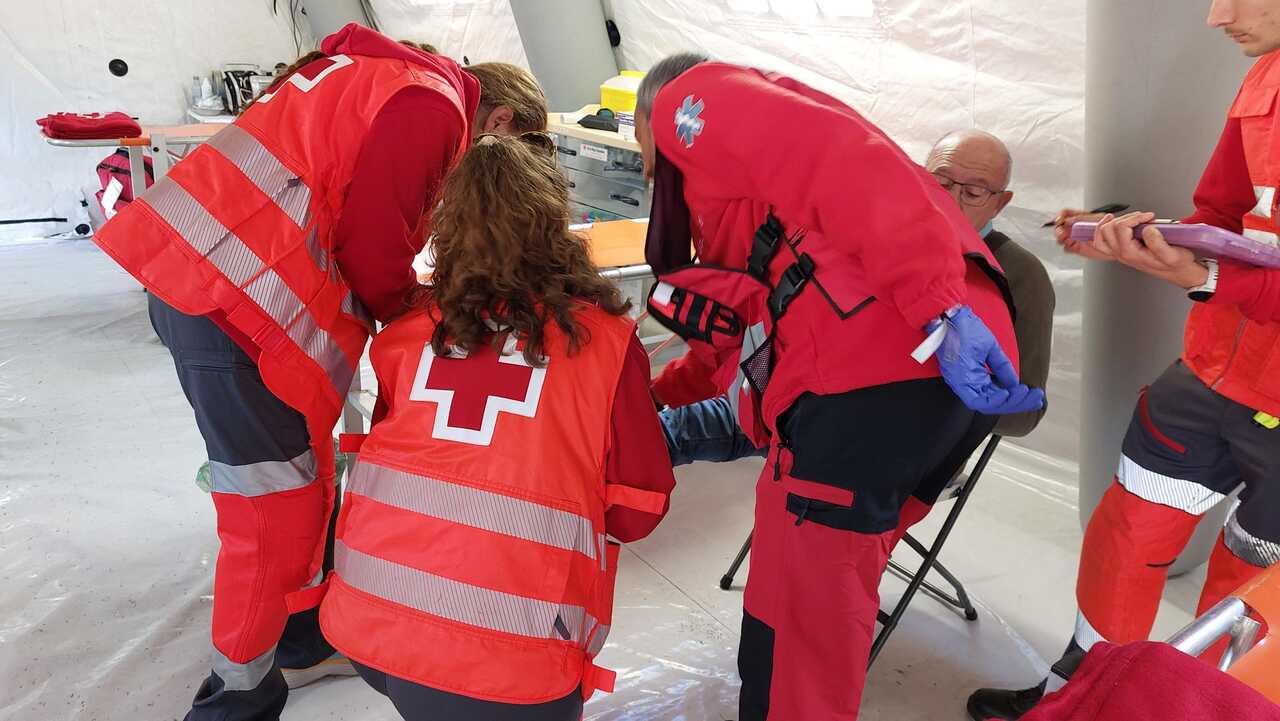
If poisoning is suspected, it is essential to seek urgent medical attention, even when the symptoms appear mild. Call 112 or go to an emergency department without waiting for the discomfort to disappear on its own.
It is also advisable to keep leftovers of the mushrooms consumed, preferably uncooked, as well as photographs or samples of the specimens collected. This information can help healthcare professionals identify the species responsible. Do not induce vomiting or resort to home remedies.
The mushroom-foraging season offers an opportunity to enjoy Aragon's natural surroundings, but it requires responsibility. The best prevention remains consuming only mushrooms whose identification has been confirmed with certainty, because an apparently insignificant resemblance can make a decisive difference.