The 2026 2nd Multidisciplinary Thrombosis Conference, titled ‘Thrombosis and Women: Clinical Challenges at Different Stages of Life’, has highlighted the need to adapt prevention, diagnosis and treatment to each situation. The meeting is being held to coincide with World Thrombosis Day, commemorated every October 13 to raise awareness of the disease, its risk factors and symptoms, and the importance of acting promptly.
Internal Medicine specialist and participant in the International Registry of Thromboembolic Diseases, Ángeles Blanco, explained that thrombosis occurs when a blood clot, known as a thrombus, forms inside a blood vessel, hindering or blocking normal blood flow. If the clot breaks loose and reaches the lungs, it can cause a pulmonary embolism (PE), a potentially serious complication requiring rapid action.
The main symptoms of thrombosis include pain, swelling and increased temperature in the affected limb. In cases of pulmonary embolism, shortness of breath, chest pain or fainting may occur.
THROMBOSIS AT DIFFERENT STAGES OF A WOMAN’S LIFE
Blanco focused her presentation on providing a cross-sectional view of thrombosis from biological, clinical and preventive perspectives. Among other issues, she addressed advances in hormone therapies used during menopause and the importance of individualizing these treatments by taking each woman’s cardiovascular and thrombotic risk factors into account.
This year’s international campaign is specifically focused on women’s health, as thrombosis can occur at very different stages of life and requires tailored responses. Prevention during pregnancy, cancer-associated thrombosis and the urgent management of severe pulmonary embolism were among the scenarios discussed during the conference.
Hematology and Hemotherapy specialist and president of the Thrombotic Disease Commission at Zaragoza’s Clínico Hospital, Olga Gavín, explained that the center has worked in a multidisciplinary way in this area for years. For more than two years, it has also had a Pregnancy and Autoimmune Diseases Committee, focused on supporting pregnant women with conditions such as lupus, rheumatoid arthritis or antiphospholipid syndrome.
The goal is to provide coordinated care during pregnancy and reduce both the maternal and obstetric risks associated with these diseases. For more than a decade, the Clínico has also maintained a website providing information and support on anticoagulation and pregnancy. It is used nationally and internationally and is currently undergoing its fourth revision.
A PATIENT’S TESTIMONY
The conference also featured the experience of Matilde Garzón, who described how she suffered a severe pulmonary embolism after undergoing surgery for a gynecologic condition.
Subsequent tests revealed that she had a genetic thrombophilia inherited from both parents, an uncommon situation that requires permanent treatment.
A UNIT TO IMPROVE PATIENT SAFETY
Zaragoza’s Clínico Hospital also has an Anticoagulant Treatment Unit, managed by the Nursing Department, whose aim is to improve the safety and quality of life of people receiving these treatments.
Health education enables patients to better understand their medication, recognize the importance of following treatment correctly, identify possible adverse effects and recognize warning signs requiring medical attention.
The aim is to move toward a model in which patients play a more active role in caring for their health and can manage their treatment with greater safety and autonomy.
THREE ROUND TABLES AND A PATIENT SCHOOL
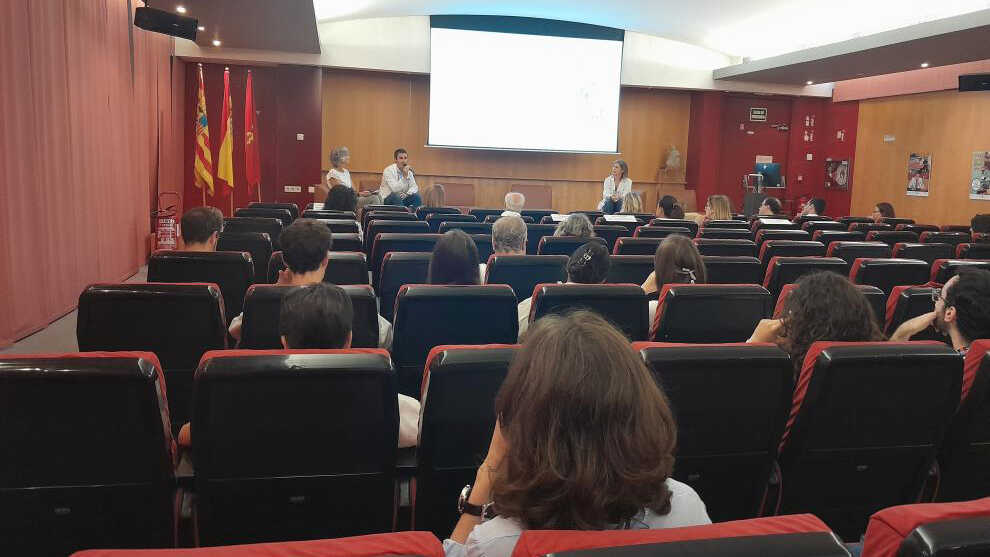
The conference was opened by the Clínico’s deputy medical director for Surgical Services, Adrián Rodríguez-Weruaga, and Olga Gavín. It brought together professionals from different specialties to analyze thrombotic disease from a multidisciplinary perspective.
The program includes three round tables devoted to pregnancy, the postpartum period and autoimmune diseases; thrombosis in women with gynecologic cancer; and the management of severe pulmonary embolism.
The meeting will conclude with the ‘Anticoagulated Patients School Workshop: Education, Self-Care and Adherence’, aimed at providing people receiving anticoagulant treatment with tools to better understand their disease, take an active role in their care and improve treatment safety and follow-up.