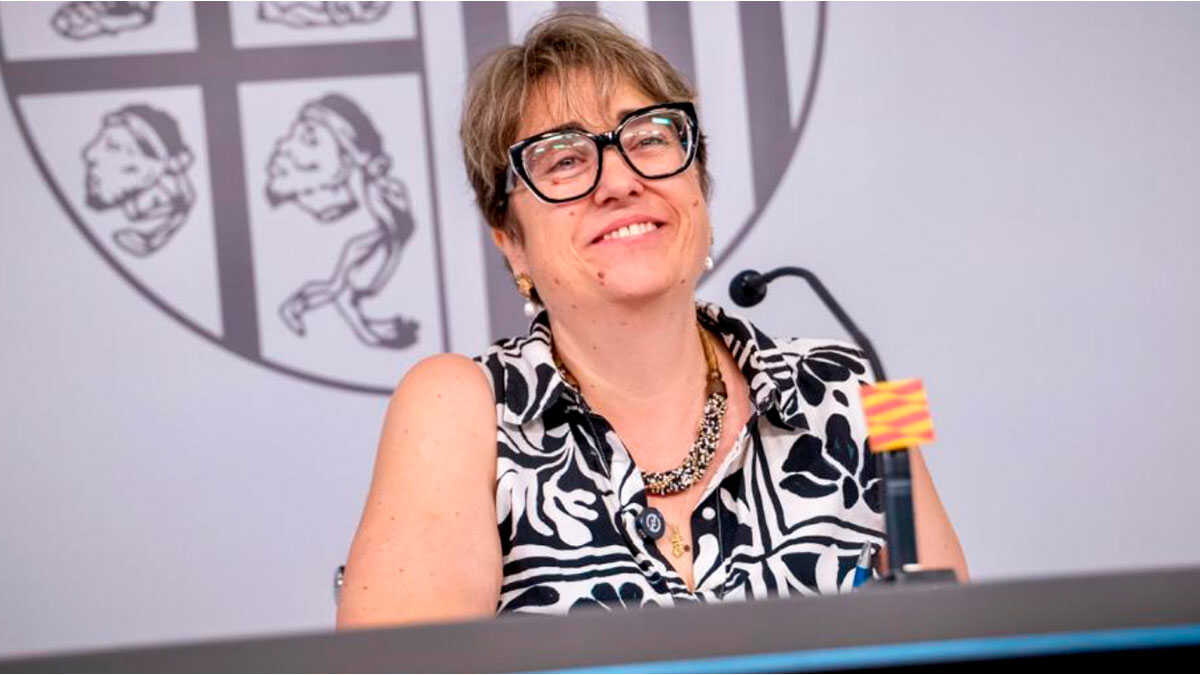
Simón explained that the Department is finalizing the rules for the aid, which will be published in the coming days. The funds will go to professional farmers, priority farms, extensive livestock farmers and beekeepers. "We wanted to prioritize professionals, who are the ones producing our food and supporting our villages, and include extensive livestock farming and beekeeping, which are rarely at the forefront when aid is distributed," she said.
The minister specified that €9 million is the maximum allowed under European regulations, which limit how much each region can add depending on the funds it receives. "Aragón is contributing two out of every three euros. We would have liked to go further, but the €4.5 million we are receiving sets our ceiling, and it is far too little for what Aragon's countryside is enduring," she said.
Simón argued that the sector needs more than emergency aid. "Producing food is a matter of sovereignty. When a country gives up its energy sovereignty and unconditionally accepts Brussels' climate requirements, the bill is ultimately paid by families, farmers and livestock breeders every time diesel or fertilizer prices rise. The countryside wants to produce, and to do so it needs reasonable costs and fewer obstacles," she concluded.